Addiction Recovery

• Posted In Addiction Recovery

Smart Ways to Handle Rehab Cost and Payment Options Today

Explore rehab cost and payment options to plan your insurance, admissions, and logistics with confidence.

Read More

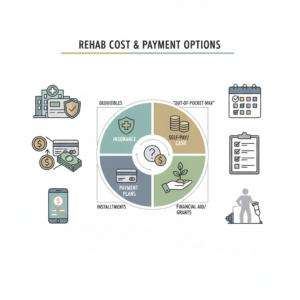
Choosing to enter treatment is a big decision. Worrying about rehab cost and payment options can make that decision feel even harder. You might wonder what insurance will cover, what you will have to pay out of pocket, and whether there are realistic options if you do not have insurance at all.

This guide walks you through how rehab costs work, what typical payment paths look like, and how you can approach admissions and insurance in a calm, informed way. The goal is to give you enough clarity that money becomes a planning question, not a barrier to getting help.

Understanding what affects rehab cost

Rehab is not one single product with one price. Your total cost depends on several variables that you can usually control or at least understand before you commit.

Level of care

Generally, more intensive levels of care cost more because they include lodging, meals, and round-the-clock staff.

  • Inpatient and residential rehab: You live at the facility, receive 24/7 support, and participate in daily groups and individual counseling. These programs usually cost more than outpatient because they bundle housing, meals, and constant supervision into the fee. In Mississippi, for example, inpatient treatment costs are higher than outpatient for this reason [1].
  • Outpatient rehab: You live at home and attend treatment during the day or evening. Partial Hospitalization Programs (PHPs) and Intensive Outpatient Programs (IOPs) provide many hours of care per week and cost more than weekly outpatient sessions but less than full residential stays [2].

Length of stay

Your length of stay has a direct impact on overall rehab cost. A 30 day inpatient program will almost always cost less than a 90 day stay at the same facility. Residential programs can range from a few weeks to many months depending on your needs and your response to treatment [3].

If you are concerned about budget, ask during the rehab intake process how the team approaches recommended length of stay and what options exist if your insurance will only approve a certain number of days.

Type of facility and amenities

You will see a wide range of pricing between basic, state-funded programs and private, resort-style facilities.

  • Public or state-funded programs typically offer shared rooms, limited amenities, and a more clinical environment but can be free or low cost for eligible patients [4].
  • A private rehab facility may offer private rooms, gourmet meals, fitness or spa services, and more amenities. These services help create comfort and privacy, especially if you want a quiet space to recover, but they increase daily cost.

There is no single right choice. You can still receive high quality, evidence-based care in a modest setting. What matters most is clinical quality, safety, and whether the program fits your needs and budget.

Location and local market

Rehab pricing varies widely by state. Residential treatment is less expensive in some regions and considerably higher in others [3]. Local cost of living, staffing costs, and demand all play a role.

If cost is a major concern and you are able to travel, you might ask whether facilities in neighboring areas offer more affordable daily rates or better in-network coverage with your insurance.

How insurance typically covers rehab

For most people, health insurance is the primary way to manage rehab cost and payment options. Understanding your benefits can dramatically reduce what you actually pay.

Rehab as an essential health benefit

Today, substance use treatment is not treated as an optional add-on in many health plans. Under the Affordable Care Act, new small group and individual plans must cover substance use disorder services at a level similar to general medical and surgical care [5]. The Mental Health Parity and Addiction Equity Act supports this by requiring comparable coverage for mental health and addiction in many plans [1].

This means your plan is likely required to cover at least some portion of:

  • Medical detox when medically necessary
  • Inpatient or residential rehab
  • Partial hospitalization and intensive outpatient programs
  • Standard outpatient counseling or therapy

Coverage details differ by plan, but it is very rare for a modern plan to refuse all addiction treatment.

Types of health plans and what they mean

Your plan type shapes where you can go and what you will pay.

  • HMO (Health Maintenance Organization): Often requires you to use in-network providers and get referrals for specialty care, including rehab. Out-of-network care may not be covered except in emergencies [6].
  • PPO (Preferred Provider Organization): Usually offers more flexibility to see both in-network and out-of-network providers. In-network care generally has lower copays and coinsurance, but you may be able to attend a preferred rehab that is out of network at a higher cost.
  • POS (Point of Service): Combines features of HMO and PPO. You may need a primary care provider referral, and you generally pay less for in-network treatment [6].

Private insurers that frequently cover rehab include Blue Cross Blue Shield, Aetna, Cigna, Humana, UnitedHealthcare, and others, and TRICARE offers coverage for veterans [5].

Public programs also help:

  • Medicare: Parts A and B can cover hospitalization and outpatient addiction treatment. Part D may cover certain addiction-related medications [5].
  • Medicaid: Often covers inpatient and outpatient addiction services with minimal or no copays, although acceptance of Medicaid varies by facility and by state [5].

Verifying your benefits before admission

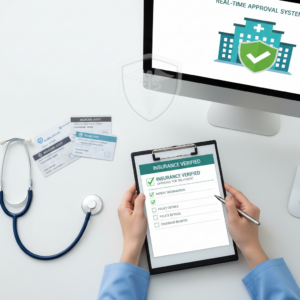
Before you commit to a program, you can reduce surprises by verifying your benefits in advance. Many treatment centers have admissions or insurance teams who will:

  • Contact your insurer
  • Confirm in-network status
  • Check what levels of care are covered
  • Estimate your deductible, copays, and coinsurance
  • Clarify any preauthorization requirements [6]

You can also use an online form to verify insurance for treatment if the facility offers one. This short step can help you compare options, plan for your portion of the bill, and focus on clinical fit instead of only cost.

If you want to quickly see whether a facility even accepts your plan, a page that outlines insurance accepted rehab can provide an overview before you speak with admissions.

Out-of-pocket costs you should expect

Even with solid coverage, there are usually some out-of-pocket expenses. Understanding these ahead of time allows you to budget realistically.

Deductibles, copays, and coinsurance

You will likely encounter some combination of:

  • Deductible: The amount you pay yourself each year before your insurance starts covering services.
  • Copay: A fixed dollar amount you pay for a specific service or visit, such as a therapy session.
  • Coinsurance: A percentage of the allowed charge that you are responsible for paying.

For inpatient rehab, insurance may cover a large percentage of the daily rate, but you might still have coinsurance or a per-day copay. Outpatient visits often use copays instead of daily rates. Many plans use coinsurance for inpatient care and copays for outpatient programs [1].

Non-covered or limited services

Insurance typically focuses on what is considered medically necessary. You may pay more for:

  • Luxury amenities
  • Private chef or high-end dining
  • Spa or recreational services
  • Extra nights that are not authorized by your insurer

Even though these services can improve comfort and privacy, they may not be reimbursable. Your admissions team should be transparent about what is billable to insurance and what is not.

Medications and ongoing care

If you receive medication-assisted treatment, you may have separate pharmacy charges. FDA approved medications such as methadone, buprenorphine, and naltrexone for opioid use disorder or naltrexone, acamprosate, and disulfiram for alcohol use disorder all come with different price points, and coverage will vary by plan [2].

It also helps to budget for follow-up:

  • Continuing therapy or IOP after inpatient care
  • Psychiatry visits for co-occurring mental health conditions
  • Supportive services like recovery coaching or peer support

Ask your admissions team how they structure step down care so you can account for both the initial stay and aftercare.

Payment options if you are underinsured or uninsured

If you do not have strong insurance benefits, you still have options. It may take more phone calls and planning, but many people in your situation receive treatment every year.

State-funded and public programs

State-funded rehabs can be an essential safety net. These programs are often free or low cost and provide a range of services:

  • Detoxification
  • Residential or inpatient care
  • Outpatient and intensive outpatient services

In publicly funded centers, most admissions are for outpatient services, with detox and residential making up the remainder [4]. Because these programs are in high demand, you may encounter waiting lists or eligibility requirements based on income, diagnosis, or legal status.

Federal programs and grants also help fund access. Medicare, Medicaid, Veterans Affairs, and Affordable Care Act provisions support coverage for many people who otherwise could not afford treatment [4].

Sliding scale and nonprofit options

Some facilities use sliding fee scales, adjusting costs based on your income. Nonprofit providers may have grant funding that allows them to offer reduced-cost or no-cost services for certain groups, such as:

  • Pregnant women
  • People without any insurance
  • Individuals at high risk for HIV/AIDS [4]

Community resources can help you find these programs. For example, Dallas County maintains a searchable tool for finding drug and alcohol rehabs based on treatment types, payment options, and special populations, and many nonprofits in that area provide detox, residential, outpatient, housing, and medication-assisted treatment for people with limited finances [7].

Wherever you live, your local health department or behavioral health authority may maintain similar directories.

SAMHSA’s National Helpline

If you are not sure where to start, SAMHSA’s National Helpline is a 24/7, confidential resource you can call. The staff will not provide counseling, but they will:

  • Refer you to local treatment facilities
  • Help you find programs that accept Medicare or Medicaid
  • Point you toward centers that use sliding fee scales
  • Connect you with state offices that manage publicly funded treatment for people who are uninsured or underinsured [8]

This is a practical first step if you are feeling overwhelmed by options or worried that cost will keep you from care.

Loans, credit, and financing

You may decide that a particular program is the best clinical fit and want to explore ways to close the financial gap. Common strategies include:

  • Personal or bank loans
  • Specialized medical or rehab financing programs
  • Credit cards used deliberately with a payback plan

Facilities that offer financing rehab programs can walk you through these options. Some programs also provide income based scholarships or payment plans to spread costs over time [1].

Before you use credit, ask the admissions team for a clear, written estimate and be honest about what you can realistically repay.

Making admissions and cost conversations easier

Cost and logistics can feel intimidating when you are already under strain. You can make the process more manageable by approaching admissions in a structured way.

Prepare for the admissions call

When you reach out to learn about admissions for rehab, it helps to have certain information in front of you. This makes it easier for staff to give you specific answers about rehab cost and payment options.

Useful details include:

  • Your insurance card and ID number
  • Your prescription list
  • Any recent hospital or detox stays
  • Your preferred timeframe for admission
  • Questions about room types, such as whether private rooms are available

Admissions staff are used to talking about both clinical needs and finances. It is appropriate to ask about everything from program structure to how billing works.

Ask for cost transparency

Clear information is your best tool. As you speak with prospective programs, you might ask:

  • Are you in network with my plan?
  • Can you provide an estimated range for my out-of-pocket costs?
  • What is included in your daily or program rate?
  • Are private rooms available and what is the additional cost?
  • What happens if my insurer approves fewer days than you recommend clinically?
  • Do you offer payment plans or financial assistance?

Facilities that value transparency will explain their pricing and policies in plain language. If something sounds unclear, ask the staff to restate it or send it in writing.

You have a right to understand both your treatment plan and the financial commitment before you say yes to admission.

Consider touring or meeting the team

If you are able, seeing a facility in person or virtually can help you decide whether the environment, privacy level, and amenities match the cost. Many centers allow you to tour residential rehab before admission or arrange virtual walk-throughs.

During a tour, you can:

  • Look at room options, including private or semi-private suites
  • Get a feel for group spaces, dining areas, and outdoor areas
  • Ask day to day questions about schedules and expectations
  • Meet key staff members and gauge the overall tone of the program

This context helps you and your family decide whether the investment feels right for your situation.

Balancing cost with quality and fit

Because rehab cost and payment options vary so widely, it can be tempting to focus purely on price. Cost matters, but you also want to consider what you are actually getting for your investment.

Clinical quality and services

When you compare programs, look at:

  • Accreditation and licensing
  • Medical supervision for withdrawal and co-occurring conditions
  • Use of evidence-based therapies such as cognitive behavioral therapy, motivational interviewing, and medication assisted treatment
  • Availability of specialized tracks for trauma, mental health, or specific populations

The average cost of drug rehabilitation in the United States is significant, roughly five figures per person in some studies, and treatment costs can range from a few hundred dollars to the price of a car or more depending on intensity and amenities [9]. With that level of spending, it is reasonable to expect a program that follows current best practices, not just a bed and a schedule.

Environment and privacy

If privacy and rest are priorities for you, it is appropriate to ask about:

  • Room types, including the possibility of private rooms
  • Visitor policies and discretion
  • Group sizes and staff to client ratios

A comfortable environment does not replace clinical quality, but it can support your ability to participate fully in treatment. For many people, a quieter, more private setting is worth some additional cost, especially at the beginning of recovery.

Long term value

Addiction touches work, relationships, physical health, and finances. Untreated substance use can result in ongoing medical bills, legal issues, and lost income. While no program can guarantee specific outcomes, you can think about rehab as an investment in your long term wellbeing.

To gain perspective, you might ask:

  • What kind of aftercare or alumni support is included?
  • How does the program involve family or significant others?
  • What is your approach if someone relapses after discharge?

The more support and structure that exists after you leave, the more likely your initial investment will support sustainable change.

Taking your next step

You do not need to have every dollar accounted for before you ask for help. Your role is to be honest about your situation and your needs. The admissions and insurance teams you speak with can help you:

  • Clarify what your insurance covers
  • Estimate out-of-pocket rehab cost and payment options
  • Explore public programs, financing, or scholarships if necessary
  • Choose the level of care and environment that fits your life

If you are ready to talk through specifics, you can start by reviewing insurance coverage for treatment and using tools to verify insurance for treatment. From there, connecting with an admissions specialist about the rehab intake process can turn a stressful unknown into a clear, step-by-step plan.

Cost is part of the decision, but it does not have to be the obstacle that keeps you or someone you love from entering recovery. With accurate information and the right support, you can find a path that makes both clinical and financial sense.

References

  1. (Oxford Treatment Center)
  2. (American Addiction Centers)
  3. (National Center for Drug Abuse Statistics)
  4. (American Addiction Centers)
  5. (American Addiction Centers)
  6. (American Addiction Centers)
  7. (Dallas County)
  8. (SAMHSA)
  9. (American Addiction Centers, National Center for Drug Abuse Statistics)

• Posted In Addiction Recovery

Insurance Accepted Rehab: What Your Coverage Really Means

Unlock your insurance accepted rehab benefits and navigate coverage, costs and admissions with confidence.

Read More

How insurance accepted rehab works

When you start searching for “insurance accepted rehab,” you are often trying to answer one urgent question: can you actually afford treatment. The good news is that most modern health plans are required to cover substance use and mental health care at levels similar to medical care, although the fine print of your policy will determine how much you pay out of pocket [1].

Private insurance, Medicare, and Medicaid all cover some form of addiction treatment. What varies is the type of services covered, how long you can stay, and which facilities are in network. Understanding these pieces helps you use your benefits fully and avoid surprise bills.

In many cases, admissions teams can check your benefits before you commit to a program so you know what is covered and what your share of the cost will be. You can also review common rehab cost and payment options while you compare facilities.

Why most plans now cover rehab

Modern coverage for “insurance accepted rehab” did not happen by accident. Several laws reshaped how insurers handle addiction and mental health treatment, and these protections work in your favor.

Parity and essential health benefits

Two major protections are important for you to know:

  • The Mental Health Parity and Addiction Equity Act requires that when a plan offers behavioral health benefits, the financial requirements and treatment limits cannot be more restrictive than for medical or surgical care. In other words, an insurer cannot set dramatically higher copays or tighter visit limits just because the service is for addiction treatment [2].
  • The Affordable Care Act requires new individual and small group plans to cover mental health and substance use disorder services as essential health benefits, with coverage levels comparable to other medical care [3].

These rules do not mean that everything is free, but they do mean that addiction treatment is no longer treated as an optional extra. Your plan will still have deductibles, coinsurance, and networks, but it must treat behavioral health in a similar way to physical health.

Why this matters for access

Even with these protections, most people who need help are still not in treatment. In 2021 more than 46 million Americans aged 12 or older had a substance use disorder, but about 94 percent did not receive care, often because of concern about cost [3]. In 2024 only about 19.3 percent of people who needed substance use treatment actually received it [4].

Understanding that your insurance is required to support addiction treatment, and learning how to use your benefits, can help you move from hesitation to action.

Types of insurance that may cover rehab

Different insurance paths can help you access an insurance accepted rehab program. The details vary, but several broad categories are common.

Private health insurance

Most private health insurance plans from major carriers such as Blue Cross Blue Shield, Aetna, UnitedHealthcare, Cigna, Humana, and Anthem typically include coverage for inpatient and outpatient substance use treatment [5].

With private insurance you can expect:

  • Coverage for inpatient rehab, residential rehab, partial hospitalization, intensive outpatient, and outpatient therapy, as long as these levels of care are medically necessary
  • Different benefit levels for in network versus out of network facilities
  • A requirement for preauthorization or clinical review in many cases

Most rehab centers that work with private insurance employ specialists to help you understand your coverage, verify benefits, and explain any out of pocket responsibilities [5].

Employer coverage and COBRA

If you recently lost a job that included health benefits, you might still be able to use that coverage for rehab through COBRA. COBRA lets you continue your previous employer plan for a period of time, as long as you pay the full premium.

Treatment providers often accept COBRA coverage and may ask for a copy of your COBRA election form during intake [4]. This can be a bridge that allows you to attend residential or inpatient care while you stabilize.

Medicare

If you qualify for Medicare, different parts of your coverage may support addiction treatment:

  • Medicare Part A can cover medically necessary inpatient hospital care for drug and alcohol rehabilitation, including room and board, nursing, therapy, and medications, as long as the stay is documented as medically necessary. There is no fixed lifetime limit on treatment length, but standard Medicare benefit periods and deductibles still apply [2].
  • Medicare Part B can cover outpatient counseling, partial hospitalization, and some physician services related to addiction treatment.
  • Medicare Part D can cover certain medications used in alcohol treatment, although some drugs such as methadone may be excluded [3].

If you rely on Medicare, you will want to confirm whether a facility is approved to bill Medicare and which services they provide under that coverage.

Medicaid

Medicaid, a joint federal and state program, covers inpatient and other addiction treatment services in every state, but the type and length of coverage varies by state and by your personal eligibility [2]. Some states fund residential treatment, while others emphasize outpatient and community based care.

If you are uninsured or underinsured and meet income or disability criteria, Medicaid can provide a path into treatment that does not depend on employment.

Veterans benefits and TRICARE

If you are a veteran or an active duty service member, you may have access to substance use treatment coverage through:

  • The U.S. Department of Veterans Affairs, which offers a range of addiction treatment services and can coordinate with community providers. Some private treatment organizations work directly with the VA and employ Veteran Liaisons to help you navigate benefits and choose a level of care [4].
  • TRICARE, which often covers at least some costs of alcohol and drug rehab for eligible service members and families [3].

If you have VA or TRICARE benefits, it can be helpful to ask a facility if they have dedicated staff who regularly work with these systems.

What “insurance accepted” usually covers

“Insurance accepted rehab” often sounds like a simple promise, but what is actually covered for you depends on your plan. Still, most insurers handle certain categories of services in fairly predictable ways.

Common levels of care

Depending on your clinical needs, your plan may cover some or all of these levels of care:

  • Medical detoxification in a supervised setting
  • Inpatient or residential rehab, often with 24/7 support and structured programming
  • Partial hospitalization programs, with several hours of care most days of the week
  • Intensive outpatient programs
  • Standard outpatient counseling and medication management

Facilities like The Plymouth House, for example, use your insurance information to determine whether your plan will support medical detox and subsequent residential care, and sometimes coverage may reach up to 100 percent of treatment costs if your benefits are strong and the facility is in network [6].

Services within a rehab stay

Within an approved level of care, plans typically cover:

  • Clinical assessments and treatment planning
  • Individual and group therapy sessions
  • Family therapy, where appropriate
  • Medication management
  • Nursing and physician oversight for medical needs
  • Some complementary or holistic services when they are part of a bundled daily rate

Your plan may not separately list each component, especially in a private rehab setting that bills a daily or per stay rate. If private rooms, amenities, or certain experiential therapies are part of a standard daily charge for an in network private rehab facility, they may effectively be included in what your insurance pays. In other cases, you might pay a higher share if you choose upgraded accommodations.

What may not be covered

Every policy is different, but you should be prepared for limits around:

  • Luxury amenities that are not tied to medical necessity
  • Extended stays beyond what the insurer considers clinically necessary
  • Certain out of network providers or services
  • Long term sober living that is not classified as treatment

Talking through these details with an admissions specialist before you arrive is the best way to avoid financial surprises.

How admissions and verification typically work

When you contact an insurance accepted rehab, one of the first steps is usually an insurance verification. This is part of the overall rehab intake process and sets expectations for both care and cost.

Step 1: Initial phone call and screening

You typically start with a phone call to admissions. During this call, staff will:

  • Ask about substances used, history, and any co occurring conditions
  • Discuss your current safety and any urgent medical issues
  • Gather your insurance information including carrier, member ID, and group number

This conversation is not a commitment to attend. It is a chance for you to ask questions, including whether the facility offers private rooms, what a typical day looks like, and how families are involved.

Step 2: Insurance benefits check

Most rehab centers that accept insurance will then:

  • Contact your insurer to verify that your policy is active
  • Confirm what addiction treatment benefits you have
  • Determine your deductible status, copays, and coinsurance
  • Ask about prior authorization requirements and any length of stay guidelines

Facilities often perform this benefits check at no cost to you. Admissions specialists handle the back and forth with insurers, secure preauthorizations, and may help with appeals if coverage is initially denied [2].

Organizations such as The Plymouth House integrate this verification directly into their admissions process so that before you enter treatment, you understand coverage levels and estimated out of pocket costs [6].

Step 3: Clinical review and approval

Your insurer may require a clinical assessment to determine medical necessity. This can happen over the phone or through documentation submitted by the facility. The goal is to match you with the right level of care, such as:

  • Inpatient detox if you are at risk of severe withdrawal
  • Residential treatment if you need a structured 24/7 environment
  • Intensive outpatient if you can remain at home with strong support

Once medical necessity is confirmed, approval is granted for an initial period of stay. During your time in treatment, the facility usually communicates with the insurer to request extensions when clinically appropriate.

Step 4: Finalizing your admission

After benefits are verified and care is authorized, staff will:

  • Review your expected costs, payment schedule, and any deposit
  • Outline logistics such as arrival time and what to pack
  • Clarify room options, including availability of private rooms if that is important to you
  • Answer questions about program structure, safety, and confidentiality

If you have questions about other financial resources, you can also explore financing rehab programs and payment plans at this stage.

You have the right to know in advance how your insurance will be used, what your estimated out of pocket costs are, and what treatment options are available to you.

Balancing cost, comfort, and clinical care

When you compare insurance accepted rehab programs, you are usually weighing two things at once: what your insurance will pay for and where you will feel safe and supported enough to do the hard work of recovery.

In network versus out of network

Insurers typically pay more of the cost when you choose an in network provider. However, in some situations an out of network facility may be the best fit for your needs. For example, you might choose a center that:

  • Specializes in your specific substance or co occurring condition
  • Offers a smaller, more private setting or more individualized care
  • Provides private or low occupancy rooms that help you rest and focus

You can ask a facility whether they are in network or out of network with your plan, and you can also ask your insurer for a list of participating rehab providers. Some facilities will still work with out of network benefits and help you submit claims.

Private rooms and amenities

Private rooms are a priority for many people who are already feeling vulnerable. While some insurance plans reimburse the same daily rate regardless of room type, others distinguish between standard and upgraded accommodations.

When you tour or virtually tour residential rehab, you can ask:

  • Are private rooms standard or an optional upgrade
  • Does insurance reimburse the same amount regardless of room type
  • If there is an upgrade cost, how much is it per day and what is included

Understanding how private rooms fit into the fee structure helps you decide what is most important for your comfort and healing.

Transparency around costs

Clear information reduces anxiety during an already stressful time. Before you decide on a program, you are entitled to:

  • A written estimate of your total cost of care
  • A breakdown of what your insurance is expected to pay
  • An explanation of how changes in length of stay might affect your costs

You can also refer to resources on insurance coverage for treatment and rehab cost and payment options to prepare questions for admissions.

Options when you have limited or no insurance

Insurance accepted rehab is only one route into treatment. If your coverage is limited, or if you are uninsured, there are still ways to access help.

State funded and low cost programs

State funded treatment centers provide free or low cost rehab for people who cannot afford private care or who have inadequate insurance. These programs are an important safety net for both insured and uninsured individuals [4].

If you qualify, you might have access to:

  • Residential or outpatient addiction treatment
  • Medication assisted treatment
  • Case management and recovery support services

Availability and wait times vary by state and region, so it is helpful to start this process as early as you can.

Using Medicaid, marketplace plans, or new coverage

If you are uninsured, you might still be able to:

  • Apply for Medicaid if you meet income or disability criteria
  • Enroll in a plan through your state or federal health insurance marketplace, where all plans must include substance use and mental health benefits [3]

Some facilities can connect you with navigators who help you start these applications, especially if enrollment will allow you to access a higher level of care.

SAMHSA’s National Helpline

If you are not sure where to begin, you can contact SAMHSA’s National Helpline, a free and confidential service available 24 hours a day in English and Spanish. Callers receive information and referrals to:

  • Local treatment facilities
  • Support groups
  • State funded programs and sliding scale providers

The helpline can also direct you to state offices that oversee public treatment options for people who are uninsured or underinsured, and to facilities that accept Medicare or Medicaid [7]. While the service does not provide counseling, trained information specialists can help you move from confusion toward concrete next steps. In 2020 the helpline received more than 833,000 calls, a 27 percent increase from the year before, which reflects how many people rely on it to find treatment [7].

Questions to ask before you commit

As you research insurance accepted rehab options, it can help to use a simple framework when you talk with admissions teams or review program materials.

  1. Coverage and cost
  • Is my plan in network or out of network with your facility
  • What is my estimated out of pocket cost for the full recommended stay
  • How do private rooms or upgraded amenities affect cost, if at all
  • Do you offer payment plans or other financing rehab programs
  1. Clinical fit
  • What levels of care do you offer and which one are you recommending for me
  • How do you handle co occurring mental health conditions
  • What does a typical day of treatment look like
  1. Environment and privacy
  • Are private rooms available and how many people share common spaces
  • How do you ensure safety and confidentiality
  • Can I tour the facility in person or online before admission, perhaps through a tour residential rehab option
  1. Logistics and support
  • How quickly can I be admitted once insurance is verified
  • What does your rehab intake process include
  • How do you involve family or support systems in care

Using these questions helps you balance financial realities with the quality of care and environment you need.

Taking your next step toward treatment

Insurance accepted rehab exists to make high quality addiction treatment more accessible. Most private plans, Medicare, and Medicaid now cover significant portions of inpatient or residential rehab, and many facilities work directly with insurers to verify benefits and reduce your administrative burden [8].

If you are ready to explore treatment:

You do not have to decode your coverage alone. With the right information and support, you can find a program that accepts your insurance, is transparent about costs, and offers a safe, comfortable environment, including private rooms where available, so you can focus on recovery.

References

  1. (American Addiction Centers, American Addiction Centers)
  2. (Recovery.com)
  3. (American Addiction Centers)
  4. (American Addiction Centers)
  5. (Recovery.com, American Addiction Centers)
  6. (The Plymouth House)
  7. (SAMHSA)
  8. (Recovery.com, The Plymouth House)

• Posted In Addiction Recovery

Your Guide to Affordable Admissions for Rehab Options

Unlock affordable admissions for rehab with your guide to costs, payment, insurance, and logistics.

Read More

Understanding admissions for rehab

When you start looking into admissions for rehab, you are usually balancing several urgent questions at once. You want to know how quickly you can get in, what it will cost, what your insurance will cover, and what the actual process looks like from the first call to the day you arrive.

Across the United States, significant public and private resources are invested in making treatment accessible. The Substance Abuse and Mental Health Services Administration (SAMHSA) distributes hundreds of millions of dollars in block grants to support community mental health and substance use treatment, including rehab admissions throughout the country [1]. This broader system can work in your favor, especially when you understand how admissions, insurance, and financial help fit together.

This guide walks you step by step through what to expect, how to plan financially, and how to move quickly from “thinking about treatment” to actually starting a program that fits your needs and budget.

How the rehab admissions process works

The admissions process is designed to do two things at the same time. It must keep you safe medically and it must match you to the right level of care. Understanding each step can reduce anxiety and help you prepare.

First contact and basic screening

Admissions for rehab typically begin with a phone call or an online form. During that first conversation, admissions staff usually ask for:

  • Basic personal details
  • Substance use history
  • Any current withdrawal symptoms
  • Mental and physical health conditions
  • Prior treatment attempts
  • Your insurance information or how you plan to pay

This early screening helps determine whether the facility is an appropriate fit and how urgent your situation is. Centers such as Lifetime Recovery Center describe this as the first phase of their process, where staff gather key information and begin to discuss coverage and costs with you [2].

If you want a deeper look at this early phase, you can review our dedicated overview of the rehab intake process.

Clinical pre‑assessment

After the initial conversation, most programs schedule a more detailed clinical assessment. This can be done over the phone, via telehealth, or in person.

A healthcare professional will usually:

  • Explore your substance use in more depth
  • Ask about mental health symptoms like anxiety, depression, or trauma
  • Review medical history and current medications
  • Assess safety risks such as overdose or self harm
  • Determine whether detox is necessary before rehab begins

This confidential pre‑screening is what allows the team to recommend a specific level of care, such as inpatient, partial hospitalization, intensive outpatient, or standard outpatient services. Lifetime Recovery Center notes that this step forms the basis for a personalized treatment plan and determines whether the program is clinically appropriate for you [2].

Insurance verification and financial review

In parallel with your clinical pre‑assessment, the facility’s financial or admissions team usually runs a full insurance verification. This is where your out‑of‑pocket costs become clearer.

Staff typically:

  • Confirm active benefits and behavioral health coverage
  • Check deductibles, copays, and coinsurance
  • Determine whether pre‑authorization is required
  • Identify how many days or sessions may be covered

Some centers emphasize transparency at this stage. Lifetime Recovery Center, for example, points out that their financial team works directly with insurers, clarifies coverage, discusses sliding scales or private pay, and outlines expected out‑of‑pocket costs before you arrive [2].

If you want to understand the relationship between coverage and upfront costs more deeply, explore our guides on insurance coverage for treatment, insurance accepted rehab, and rehab cost and payment options.

Final approval and arrival

Once clinical and financial approvals are in place and a bed or treatment slot is available, the admissions team sets your admission date. In some situations, this can happen quickly, sometimes within 24 hours, especially when insurance verification and medical clearance are straightforward [2].

On arrival, you can expect:

  • A medical screening to confirm stability and safety
  • Additional lab work if needed, particularly for detox
  • A review of your medications
  • Orientation to the facility, schedule, and rules

This arrival screening is particularly important if you need medical detox or have complex health needs. Physicians tailor your care plan based on your health status at admission [2].

Documents and information you will need

Coming prepared with the right documents can speed up your admissions for rehab and minimize last‑minute delays.

Identification and legal documents

Rehab facilities are required to verify identity and comply with health privacy regulations. Centers like The Plymouth House and Guardian Recovery outline similar basic requirements:

  • Government‑issued photo ID, such as driver’s license, state ID, or passport [3]
  • Social Security card or verified Social Security number [4]
  • Any court orders or legal documents related to treatment, probation, or custody if they apply to you

Some residential programs may also request financial or legal paperwork such as power of attorney documents, advanced directives, or proof of income when relevant to your case or payment arrangements [4].

Medical and psychiatric records

To build a safe and effective treatment plan, facilities often ask for:

  • Recent physical exam or discharge summaries
  • Complete medical history, including surgeries and chronic conditions
  • Current medication list with dosages and schedules
  • Recent lab results or diagnostic tests if you have them
  • Previous mental health or substance use treatment records

The Plymouth House notes that this information helps staff manage medications safely and understand how past treatment attempts have gone for you [5]. Guardian Recovery highlights similar requirements for physical and mental health history to guide treatment planning [4].

Insurance details and payment information

To avoid delays, bring or have ready:

  • Insurance cards for all active plans
  • Policy numbers and the customer service number on the back of the card
  • Any pre‑authorization letters or coverage correspondence
  • Information on prescription coverage if you take ongoing medications

Both The Plymouth House and Guardian Recovery emphasize that accurate insurance documentation is essential for quick verification and to prevent billing issues after you start treatment [3].

For a more detailed breakdown of how coverage works, you can use our resources to verify insurance for treatment and to compare rehab cost and payment options.

Inpatient, outpatient, and private rehab options

Your admissions path will look slightly different depending on whether you choose inpatient rehab, outpatient services, or a private rehab facility. Knowing the distinctions helps you ask the right questions.

Inpatient rehab admissions

Inpatient rehab involves living at the facility for a defined period. Programs like Gateway Rehab in Pennsylvania illustrate what you can expect:

  • Residential stays that often range from 28 to 90 days
  • Acute inpatient programs that focus on early recovery, counseling, medications, and mental health support
  • Extended inpatient options to build life skills such as budgeting, parenting, and employment preparation [6]

Inpatient settings typically offer 24/7 medical and clinical supervision, which is particularly important if you have complex medical needs or a history of severe withdrawal. Facilities such as Inpatient Rehabs Centers Wyandotte highlight requirements like medical stability, confirmed rehab diagnosis, and the ability to participate in an intensive therapy schedule [7].

Some inpatient hospitals, such as Dodd Rehabilitation Hospital at The Ohio State University, also evaluate your ability to tolerate several hours of therapy daily and your potential to make functional gains that allow a safe transition back to the community [8].

If you are considering a more customized, quieter setting, you may prefer a private rehab facility. These centers often limit overall census, provide private rooms, and focus on privacy and comfort, while still meeting medical and clinical standards.

Outpatient and intensive outpatient admissions

If you have a stable home environment and do not need 24/7 medical monitoring, outpatient levels of care may be appropriate. Pittsburgh Recovery Center offers an example of how outpatient treatment options can be structured:

  • Partial Hospitalization Programs (PHP): 5 days per week, 4 to 6 hours per day
  • Intensive Outpatient Programs (IOP): 3 to 5 days per week, about 3 hours per day
  • Standard outpatient treatment: 1 to 2 days per week, 2 to 3 hours per day [9]

Admissions for outpatient rehab usually involve:

  • An assessment of your medical and mental health history
  • A review of your current living situation and supports
  • Matching you to PHP, IOP, or standard outpatient based on severity

Pittsburgh Recovery Center notes that its admissions team is available 24/7 to help you navigate these options and to guide you from the first contact through the beginning of therapy [9].

Private rooms and environment considerations

If privacy, quiet, or a higher level of comfort is important to you, it is reasonable to ask specifically about private room availability during admissions. Many private rehab facilities provide:

  • Single‑occupancy rooms with private or semi‑private bathrooms
  • Quiet areas for reflection or telehealth appointments
  • More flexible visitation policies or family programming

Scheduling a time to tour residential rehab can give you a clear sense of the physical space, room arrangements, and how comfortable you feel in that environment. This can be especially important if you are anxious about living around others or if you value personal space as part of your recovery.

How insurance and public funding can help

Paying for rehab can feel overwhelming at first. However, treatment is supported by a mix of private insurance, government grants, and public programs that are designed to make care more accessible.

Federal and state support for treatment access

At the national level, SAMHSA provides substantial funding for substance use treatment and mental health services. Recent initiatives include:

  • $794 million in block grant funding for community mental health and substance abuse treatment and prevention, which supports rehab admissions across the United States [1]
  • A $100 million investment in the Great American Recovery initiative to expand access to substance use disorder treatment [1]
  • More than $69 million in grants focused on serious mental illness and suicide prevention, which help strengthen treatment systems that include rehab programs [1]

States also play a critical role. In Illinois, for example, the Department of Human Services Division of Substance Use Prevention and Recovery oversees a network of more than 163 funded organizations and over 900 licensed facilities. These programs provide assessment, diagnosis, and a full continuum of care, including outpatient, intensive outpatient, withdrawal management, and residential services [10].

Priority admissions are often given to groups such as pregnant women, individuals involved in the criminal justice system, youth, and families receiving certain public benefits, which helps direct limited resources to those at highest risk [10].

Using private insurance

Many people use employer‑sponsored or individual insurance plans to help cover rehab costs. Facilities such as Pittsburgh Recovery Center and Gateway Rehab accept a wide range of private insurers and Medicaid. Pittsburgh Recovery Center notes that, in some cases, insurance may cover up to 100 percent of outpatient treatment costs when the program is in network [9].

When you contact a facility, you can ask the admissions team to:

  • Confirm whether they are in network for your plan
  • Explain your behavioral health benefits
  • Estimate your potential out‑of‑pocket costs before admission

You can also use our tools to verify insurance for treatment and to review insurance accepted rehab options that may work for you.

Other financial assistance and payment options

If you are uninsured or underinsured, there are still paths into treatment. Many programs will help you explore:

  • Sliding‑scale fees based on income
  • State‑funded or grant‑funded treatment slots
  • Payment plans and low‑interest financing options
  • Support from nonprofit organizations or local agencies

Pittsburgh Recovery Center, for example, notes that its admissions team helps clients navigate government and nonprofit financial assistance, as well as private payment plans, to make outpatient rehab more accessible [9].

To look more closely at these choices, you can read more about financing rehab programs and rehab cost and payment options.

Many people discover that treatment is more affordable than they initially assumed once insurance benefits, public funding, and payment plans are fully understood.

Cost transparency and what to ask admissions

You are entitled to clear, specific information about costs before you commit to a program. Cost transparency is a key part of ethical admissions for rehab.

When you speak with an admissions representative, consider asking:

  1. What will my total estimated cost be, including any intake or detox fees?
  2. How much is my deductible and coinsurance for this level of care?
  3. Are there separate fees for lab work, medications, or special therapies?
  4. How do costs change if my length of stay is extended or shortened?
  5. Are private rooms priced differently from shared rooms, and by how much?
  6. What payment plans or financing options are available if I have a balance?

Programs that value transparency will walk you through this information in plain language and provide written estimates when possible. If anything feels vague, you can ask the representative to clarify or to connect you with a financial counselor.

Safety, medically supervised detox, and readiness

If you are currently drinking or using drugs heavily, safety during admission is critical. Some substances, especially alcohol and benzodiazepines, can have life‑threatening withdrawal syndromes.

Organizations such as The Plymouth House strongly recommend that individuals with significant dependence undergo professional medical detox rather than trying to withdraw alone. They also highlight partnerships with detox facilities to ensure a safe transition into residential rehab afterward [5].

During admissions, be as open as possible about:

  • How much and how often you are using
  • Any history of seizures, delirium, or very severe withdrawal
  • Other health conditions that could complicate detox

Medical teams use this information to decide whether you need inpatient detox, hospital‑based stabilization, or can safely enter residential or outpatient rehab directly.

Moving from research to action

When you are comparing admissions for rehab options, it can help to keep a short checklist in mind:

  • Clarify your level of need: inpatient, outpatient, or a mix over time
  • Confirm whether the facility offers private rooms if that matters to you
  • Verify insurance benefits and get a clear estimate of costs
  • Ask about wait times and how quickly you can be admitted
  • Make sure you understand whether detox is required before or on arrival

If you feel unsure about where to start, you can also reach out to the SAMHSA National Helpline, which offers free, confidential, 24/7 treatment referral and information services throughout the year [1]. They can help you locate programs that match your clinical needs, location, and financial situation.

As you move forward, remember that admissions is not just paperwork. It is the beginning of a structured, supportive process designed to help you stabilize, gain insight, and build a sustainable recovery plan. With the right information about cost, insurance, logistics, and environment, you can choose a rehab option that respects both your health and your budget.

References

  1. (SAMHSA)
  2. (Lifetime Recovery Center)
  3. (The Plymouth House, CuraWest)
  4. (CuraWest)
  5. (The Plymouth House)
  6. (Gateway Rehab)
  7. (InpatientRehabsCenters.com)
  8. (Ohio State University Wexner Medical Center)
  9. (Pittsburgh Recovery Centers)
  10. (Illinois Department of Human Services)

• Posted In Addiction Recovery

Discover the Right Addiction Recovery Program in Arizona

Embark on your journey to recovery with the perfect addiction program in Arizona. You’re not alone.

Read More

When you’re considering an addiction recovery program in Arizona, you deserve a treatment path that addresses your unique challenges and offers comprehensive care. Whether you’re exploring detox services or specialized therapies, understanding your options will help you make an informed decision. This guide lays out the core program types, outpatient options, medication-assisted therapies and specialized treatments available across the state. You’ll learn how integrated dual diagnosis care and structured aftercare strategies come together to form individualized plans that provide the support necessary for lasting recovery.

Understand core program types

Arizona offers a spectrum of program types designed to meet varying levels of care. At HART Rehab, you’ll find tailored treatment programs that begin with medical stabilization and guide you through the healing process in a supportive environment.

Program type Description
Detoxification services Medically supervised withdrawal to manage physical dependence safely ([detox program arizona])
Inpatient residential rehab 24/7 structured setting focusing on therapy, peer support and skill building ([residential rehab arizona])
Standard outpatient care Flexible schedules with individual and group therapy sessions

Detoxification services

Detox is often the first step in addiction recovery. In a medical detox unit, you’ll have access to health professionals who monitor your vital signs and administer medications as needed. This approach minimizes discomfort and reduces the risk of complications during withdrawal.

Inpatient residential rehab

Residential rehab provides a structured setting where you live on-site and engage in daily therapeutic activities. You’ll participate in individual therapy, group sessions and holistic practices such as yoga or meditation. This immersive model gives you the space to focus fully on recovery, free from external triggers.

Standard outpatient care

If you need to balance treatment with work, school or family responsibilities, outpatient care allows you to receive support without relocating. Standard programs typically meet 1–3 times per week and cover education on addiction, coping skill development and relapse prevention techniques.

Explore outpatient program options

Outpatient care ranges from weekly sessions to more intensive frameworks. You can choose a level of support that aligns with your recovery goals and lifestyle.

Intensive outpatient programs

An intensive outpatient program (IOP) involves 3–5 sessions per week lasting 3–4 hours each. IOPs focus on relapse prevention, skill building and group therapy, making them ideal if you require more support than standard outpatient care ([iop program arizona]).

Telehealth and evening programs

Telehealth options and evening groups cater to those with challenging schedules. Virtual sessions offer real-time interaction with counselors and peers, while evening programs meet after work hours, ensuring you can maintain daily routines without sacrificing care.

Investigate medication-assisted therapies

Medication-assisted approaches combine FDA-approved drugs with behavioral therapy to improve outcomes, especially for opioid addiction.

Medication-assisted treatment

Medication-assisted treatment provides drugs like buprenorphine, methadone or naltrexone alongside counseling to stabilize brain chemistry and reduce cravings. Research shows that medication should be the first line of treatment for opioid use disorder, usually combined with behavioral therapy, as detox alone often leads to relapse [1].

Suboxone maintenance

Suboxone combines buprenorphine and naloxone to curb cravings and block the effects of other opioids. It’s prescribed under medical supervision and gradually tapered according to your progress. Maintenance on Suboxone allows you to engage more fully in therapy and daily life activities ([suboxone treatment arizona]).

Assess specialized treatment therapies

Therapy is a valuable component of addiction treatment that helps you address underlying issues and develop healthy coping mechanisms [2]. A variety of evidence-based and experiential modalities can be woven into your individualized plan to meet the unique challenges you face.

  • Cognitive behavioral therapy (CBT) ([cbt therapy arizona])
    Focuses on identifying and changing negative thought patterns that drive substance use.
  • Eye movement desensitization and reprocessing (EMDR) ([emdr therapy arizona])
    Processes trauma through guided eye movements to reduce emotional distress.
  • Equine-assisted therapy ([equine therapy arizona rehab])
    Uses interactions with horses to build trust, improve self-awareness and foster emotional regulation.
  • Wilderness therapy ([wilderness therapy arizona addiction treatment])
    Incorporates outdoor expeditions to challenge you physically and mentally while reinforcing teamwork and resilience.
  • Dialectical behavior therapy (DBT)
    Teaches skills in mindfulness, distress tolerance and emotional regulation.
  • Other holistic modalities
    Biofeedback, art therapy and TMS may also play a role in strengthening mind and body, promoting a foundation for lifelong sobriety [3].

Plan integrated dual diagnosis care

If you’re facing both a substance use disorder and a mental health condition, integrated dual diagnosis care ensures both issues are treated concurrently. This approach prevents one disorder from undermining recovery efforts in the other, creating a comprehensive care model ([dual diagnosis treatment center arizona]).

Integrated care models

  • Coordinated approach
    Therapists and medical staff collaborate on a single treatment plan covering both mental health and addiction needs.
  • Co-located services
    You receive all services at one facility, reducing barriers and improving communication among care providers.

Screening and assessment

Accurate diagnosis of co-occurring disorders relies on comprehensive assessment tools administered by experienced clinicians. Early identification guides the development of an effective, tailored plan.

Prepare aftercare strategies

Recovery extends beyond formal treatment. You’ll need ongoing support to maintain progress and build resilience against relapse.

Relapse prevention techniques

Relapse does not signal failure. Rates of return to use for drug addiction mirror those of other chronic illnesses, and a relapse often means your plan needs adjustment rather than abandonment [1]. Common strategies include:

  • Building a trigger-awareness plan
  • Establishing daily routines and self-care habits
  • Attending support groups and therapy check-ins
  • Practicing stress-reduction techniques

Sober living support

Transitional housing or sober living homes provide structure, accountability and peer support as you navigate daily life. Many centers offer step-down housing where you can practice independence while still engaging with recovery resources ([aftercare program arizona]).

Choose your recovery center

Selecting the right facility is a critical decision. You want a center that offers individualized plans and a supportive environment conducive to growth.

Personalized treatment planning

Every person’s journey is different. Your care team should create a tailored plan based on your history, preferences and goals, adjusting it as you progress.

Financing and insurance options

Explore payment plans, sliding-scale fees and insurance coverage to find a solution that works for your budget. Many treatment centers provide insurance verification support and can guide you through available assistance programs.

As you evaluate programs in Arizona, keep in mind the full spectrum of services—from detox to aftercare—that contribute to lasting recovery. With comprehensive care, compassionate staff and a community that understands your experiences, you can embark on a path toward healing and hope.

References

  1. (NIDA)
  2. (Rehabs.com)
  3. (The River Source)

• Posted In Addiction Recovery

Effective Somatic Experiencing Therapy for Arizona Residents

Discover effective Somatic Experiencing Therapy in Arizona – tailored support for addiction recovery with insurance coverage included.

Read More

If you’re seeking somatic experiencing therapy in Arizona for addiction recovery with insurance accepted, HART Rehab offers flexible outpatient and step-down programs designed to fit your life and your budget. You can continue working, caring for family, and maintaining daily routines while receiving expert care through partial hospitalization (PHP), intensive outpatient (IOP), and medication-assisted treatment (MAT) tracks. With most major insurance plans accepted, you’ll find evidence-based therapies—including somatic experiencing—tailored to your needs and covered by your benefits.

Explore outpatient levels

When full inpatient care isn’t right for you, outpatient levels of care provide structured support with the freedom to return home each day. At HART Rehab, you can choose from three main options.

Partial hospitalization program

A partial hospitalization program offers the highest level of outpatient support. You’ll attend treatment at our clinic for 4–6 hours per day, 5 days per week, combining group therapy, individual counseling, medical monitoring, and experiential activities. PHP bridges the gap between inpatient stabilization and less intensive care, helping you transition safely while maintaining strong therapeutic engagement. Learn more about our PHP track at php addiction program arizona with insurance accepted.

Intensive outpatient program

An intensive outpatient program gives you 9–12 hours of therapy per week in 3–5 sessions, allowing more flexibility in your schedule. IOP helps you develop coping skills, relapse-prevention strategies, and healthy routines through evidence-based therapies. You’ll connect with peers facing similar challenges, reinforcing accountability and support. See details on our intensive outpatient track at intensive outpatient treatment arizona covered by insurance.

Medication assisted treatment

Medication-assisted treatment (MAT) combines FDA-approved medications with counseling and behavioral therapies to treat opioid or alcohol dependence. MAT eases withdrawal symptoms, reduces cravings, and supports long-term recovery when paired with psychotherapy.

Outpatient suboxone program

Our suboxone outpatient program offers office-based dosing and prescription management alongside individual and group counseling. Suboxone (buprenorphine-naloxone) stabilizes brain chemistry, allowing you to focus on healing without the intense highs and lows of unmedicated recovery. Coverage details are available through medication assisted treatment arizona that accepts insurance and our dedicated suboxone page at suboxone outpatient program arizona covered by insurance.

Integrate somatic experiencing therapy

Somatic experiencing therapy complements traditional talk therapies by focusing on the mind-body connection. You’ll learn to track physical sensations, release stored trauma, and build self-regulation skills in a safe, supportive setting.

Define somatic experiencing therapy

Somatic experiencing therapy (SE) is a body-focused approach developed by Dr Peter Levine that helps you process trauma by reconnecting with natural physical responses. Instead of revisiting detailed memories, SE guides you to notice sensations—like tightness, temperature shifts, or tingling—and allows your nervous system to discharge trapped energy. This gentle orientation back into the present moment can reduce the fight-flight-freeze cycle often underlying addiction (The Meadows).

SE differs from talk-based therapies such as cognitive behavioral therapy or EMDR because it bypasses intellectualizing trauma. By working directly with your body’s cues, SE can break patterns of overwhelming emotional flooding and enable a calmer, more grounded state of being (Sabino Recovery).

Explore core techniques

Key techniques in somatic experiencing help you develop resilience and self-regulation:

  • Sensation tracking You learn to identify and describe bodily sensations without judgment.
  • Titration Small, manageable exposures to stressors prevent overwhelm and build tolerance.
  • Pendulation You alternate attention between challenging sensations and neutral or positive states to restore balance.
  • Resource building Grounding exercises, imagery, or recalling safe memories strengthen internal coping resources.

Studies show that these methods improve cravings management and emotional stability by targeting trauma at a physiological level (Better Life Recovery). Whether you’re dealing with substance triggers or co-occurring PTSD, SE empowers you to navigate stress without reverting to old patterns.

Understand recovery benefits

Integrating somatic experiencing into your outpatient plan offers multiple advantages:

  • Release stress and anxiety naturally, aiding physical and emotional healing (Fort Behavioral Health).
  • Detach from toxic experiences and relationships by creating new, positive body responses.
  • Build healthy self-regulation skills that decrease reliance on substances as a coping mechanism.
  • Enhance mindfulness without medication, fostering calmness and presence.
  • Process trauma at your own pace in a gentle, body-oriented framework.

This holistic approach complements PHP, IOP, and MAT, helping you achieve lasting recovery by addressing the root causes of addiction rather than just the symptoms.

Leverage insurance coverage

Your insurance plan can make a significant difference in accessing high-quality outpatient services. HART Rehab works with most major carriers to minimize out-of-pocket costs and ensure seamless billing.

Insurance options in Arizona

We partner with national and regional providers, including:

If you have Tricare, Medicare Advantage, or an out-of-network plan, our billing specialists will verify coverage and explore alternatives to make treatment affordable.

Verify your benefits

Before starting care, confirm these details with your insurer:

  1. In-network status for outpatient levels (PHP, IOP, MAT)
  2. Coverage limits on therapy hours and medication management
  3. Required authorizations or pre-certifications
  4. Deductibles, co-pays, and out-of-pocket maximums

HART Rehab offers a free, confidential benefit verification service. Our team will handle calls to your insurance company, explain your benefits, and outline any expected costs so you can focus on recovery.

Choose HART rehab services

HART Rehab stands out as your premier choice for outpatient addiction treatment in Arizona. Our programs blend evidence-based care, compassionate expertise, and a smooth insurance experience.

Evidence-based multidisciplinary care

Our clinical model integrates individual therapy, group support, and experiential modalities to address every aspect of addiction:

We also offer family sessions, motivational interviewing, relapse-prevention workshops, and holistic options such as yoga and mindfulness to complement somatic work.

Experienced somatic therapists

Our licensed clinicians are trained in somatic experiencing, trauma-informed care, and addiction treatment. You’ll work one-on-one with specialists who guide you through pendulation, titration, and grounding exercises—helping you reclaim your body’s innate ability to heal and stay present.

Flexible scheduling and support

We understand the demands of work, school, and family. That’s why HART Rehab offers early-morning, evening, and weekend sessions. If your needs change, you can shift between PHP, IOP, or MAT tracks without interrupting your progress. Ongoing case management, peer support groups, and alumni events ensure you never feel alone on your journey.

Get the support you need

Recovery is a process best navigated with expert guidance and a personalized plan. At HART Rehab, we’re committed to making high-quality outpatient care accessible and affordable. Contact our admissions team today for a free insurance benefits check and a confidential consultation.Your path to lasting change starts here.