Inside Luxury Substance Abuse Treatment: A Real Look

Medical Providers:
Dr. Michael Vines, MD
Alex Spritzer, FNP, CARN-AP, PMHNP
Clinical Providers:
Natalie Foster, LPC-S, MS
Last Updated: September 11, 2026

In 2025, 44.6 million Americans ages 12 and older were living with a substance use disorder. Most never get help that matches the weight of what they’re carrying. Luxury substance abuse treatment exists for people who need more than a bed and a schedule—people who need privacy, expert clinical care, and space to actually heal.


Our Addiction Treatment Centers

Your recovery deserves real support. Reach out today.

What Makes Luxury Rehab Different From Standard Care?

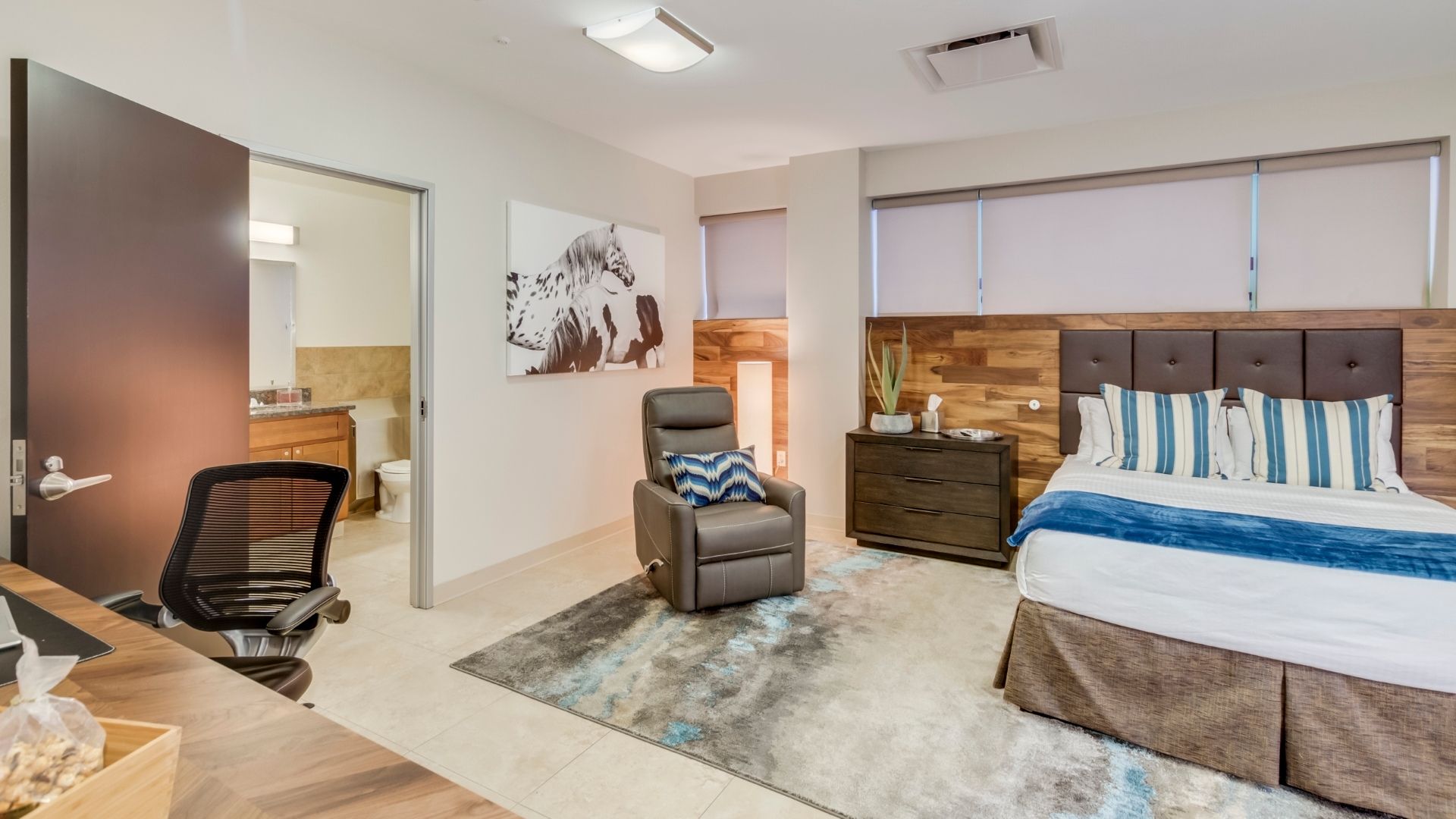
Walk into most treatment centers, and you’ll find shared rooms, group schedules, and a one-size-fits-all approach. A high-end rehab facility flips that model. Clients get private rooms, lower staff-to-client ratios, and personalized care built around their specific history—not a generic curriculum.

This isn’t about spa robes and infinity pools, though those things exist. It’s about giving people the privacy and clinical attention that serious addiction treatment actually requires. Executives, professionals, and public figures often avoid care altogether because they’re worried about confidentiality. A private addiction rehab setting removes that barrier, and an executive luxury rehab center takes it a step further with the discretion high-profile clients need.

What Amenities Can You Expect at a Luxury Rehab Center?

Luxury amenities vary by facility, but the common thread is comfort paired with clinical rigor. Think chef-prepared meals, fitness centers, acupuncture, and quiet outdoor spaces for reflection. None of it replaces therapy—it supports it.

Comfortable surroundings lower stress during residential treatment, and lower stress means clients can focus on the actual work of recovery instead of just getting through the day. That distinction matters more than people expect going in.

Some facilities also offer private chef consultations, on-site massage therapy, and equine or art therapy as add-ons to the clinical schedule. These extras aren’t the point of treatment, but they do give clients a reason to stay present and engaged instead of counting down the days.

Comfort and care, side by side. See what's possible for you.

What Therapies Are Used in Private Substance Abuse Treatment?

Evidence-based therapies form the backbone of any credible treatment program. Cognitive behavioral therapy, dialectical behavior therapy, and trauma-focused modalities show up again and again in effective treatment approaches because they work. Good centers don’t chase trends—they use what the research actually supports, and they build each treatment plan around it.

Individual treatment sessions matter just as much as group work. A therapist who knows a client’s full history can adjust course faster than a rotating group facilitator ever could. Many luxury rehab centers also fold in a holistic approach—yoga, mindfulness, nutrition counseling—not as a replacement for clinical care, but as a complement to it.

Family members get pulled into the process too, usually through structured therapy sessions later in treatment. Support groups play a role as well, giving clients a chance to hear from people further along in recovery. Addiction rarely affects just one person, and healing works better when the people closest to the client understand what recovery actually demands of everyone involved.

How Do These Centers Handle Co-Occurring Mental Health Conditions?

Nearly a quarter of people with a substance use disorder also carry a diagnosed condition among common mental health disorders. Depression, anxiety, and trauma disorders show up constantly alongside drug and alcohol dependency, and treating one without the other rarely sticks.

Dual diagnosis care means psychiatric evaluation happens alongside addiction treatment from day one, not weeks in. Clinicians trained to spot co-occurring disorders can catch things a standard intake process might miss entirely, and that matters because addiction and mental health issues tend to feed each other in ways that are easy to overlook. Someone using alcohol to cope with untreated anxiety, for instance, won’t stay sober long if the anxiety never gets addressed.

You deserve care that sees the whole picture. Ask about dual diagnosis support.

What Does the Level of Care Actually Look Like?

Level of care shifts as recovery progresses. Detox comes first, usually medically supervised, followed by structured residential treatment where clients live on-site. From there, many step down into outpatient programs or sober living arrangements that allow more independence while keeping clinical support close by.

A 30-day program isn’t a finish line—it’s a foundation. Real change takes long-term commitment, and the best programs build relapse prevention into the plan from the start, giving clients concrete tools for the moments that test their resolve. Long-term recovery rarely follows a straight line, and a good program prepares people for that instead of pretending a month solves everything.

How Do You Choose the Right Executive Luxury Rehab Center?

Start with licensing and clinical credentials. Master’s-level clinicians, board-certified psychiatrists, and accredited facilities aren’t optional extras—they’re the baseline. Not all luxury rehab centers for addiction offer the same depth of care, so look closely at staff ratios, therapy variety, and how the center handles aftercare planning once someone leaves.

Ask direct questions. What’s the actual daily schedule? What programs offered cover dual diagnosis or aftercare planning? What does family involvement look like? A center that answers clearly, without dodging, is usually one worth trusting.

Ready to find the right fit? Talk to our admissions team.

Hart Rehab: A Foundation Built on Purpose

Hart Rehab—short for Holistic Addiction Recovery Treatment—was built for young adults facing drug and alcohol addiction and dual diagnosis. Based in Scottsdale, Arizona, the center pairs holistic approach care with individual treatment plans developed by master’s-level clinicians.

Every client goes through comprehensive biomedical exams before starting a 30-day program grounded in cutting-edge, evidence-based modalities. It’s not a generic reset. It’s a deliberate restart, built one person at a time, with clinicians who take the time to understand what led someone here in the first place.

Your recovery is the whole point here. Every recovery journey looks different, but Hart Rehab exists to build the foundation for a substance-free future, one grounded in real clinical care and genuine support from people who understand what’s at stake.

Your future starts with one call. Reach out to Hart Rehab today.