
Nearly 40 to 60 percent of people treated for substance use disorder relapse at some point during recovery, a rate similar to other chronic illnesses like diabetes or hypertension. That number can feel discouraging if you’re just starting out, or if you’ve already been through treatment once before. But it also tells you something important: relapse isn’t a moral failure. It’s a predictable part of the disease, and it can be managed with the right structure and support.
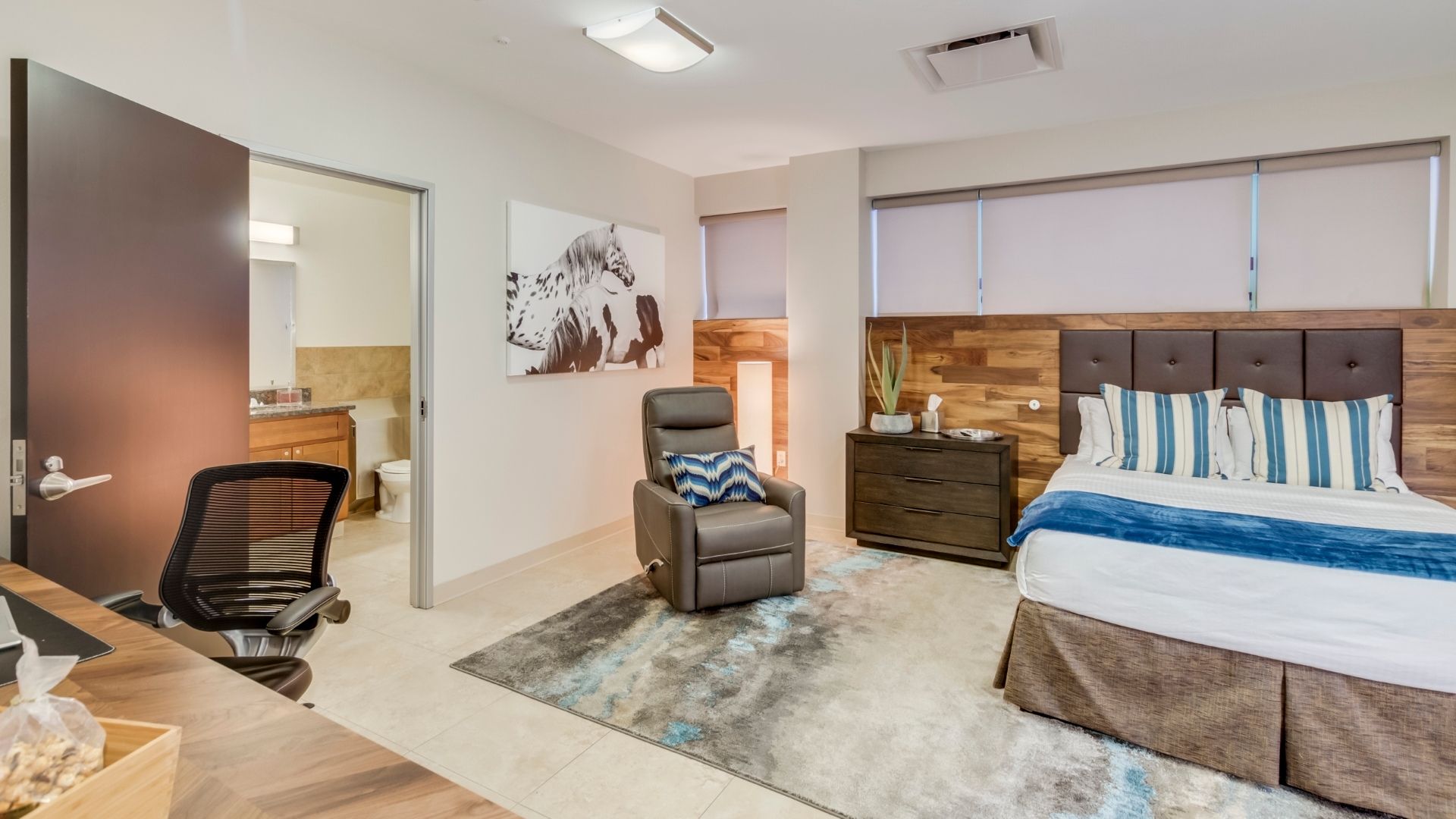
That’s where relapse prevention residential treatment comes in. Instead of hoping willpower alone will carry someone through the hardest moments, this type of program builds a full-time environment where coping skills, structure, and support work together.