
Addiction Therapy Arizona: Types and How to Choose

Medical Providers:
Dr. Michael Vines, MD
Alex Spritzer, FNP, CARN-AP, PMHNP
Clinical Providers:
Natalie Foster, LPC-S, MS
Last Updated: November 2, 2026

Mental Health America’s 2025 State of Mental Health in America report placed Arizona among the three lowest-ranked states across 17 measures, built mostly on 2022 and 2023 data. The ranking weighs how common mental illness is against how hard care is to reach. If you are comparing addiction therapy Arizona programs, that backdrop matters. Below, we cover dual diagnosis, CBT, DBT, group and family work, and levels of care.


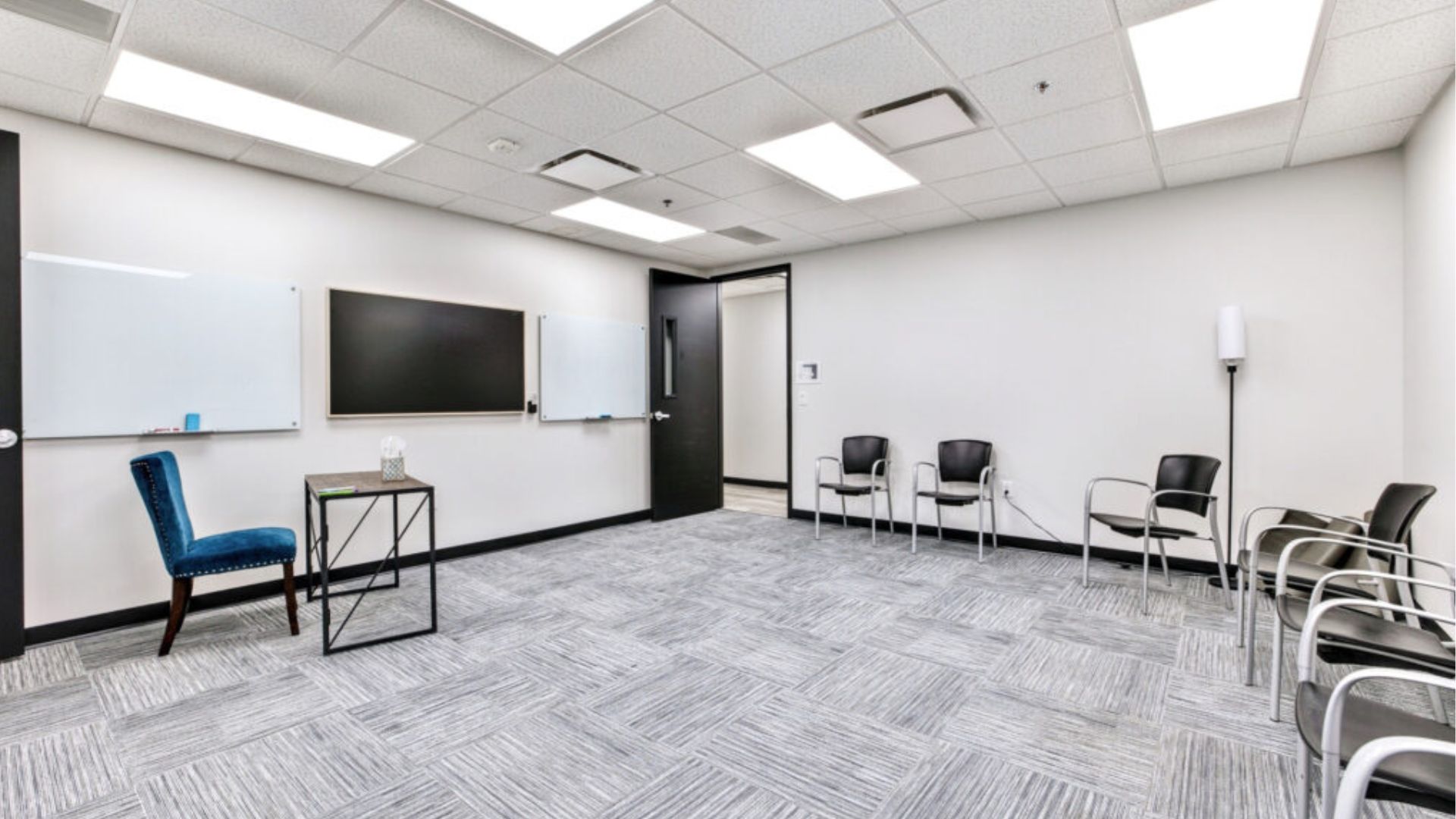
Empty rows of waiting room chairs against a white wall with posters, addiction therapy Arizona clinic

Our Addiction Treatment Centers

Not Sure Where to Begin? Talk with a counselor today.

What Is Dual Diagnosis Therapy in Arizona?

Dual diagnosis therapy is treatment for a mental health condition and a substance use disorder at the same time. The two often feed each other, so treating just one rarely holds. Good addiction therapy Arizona programs screen for both on day one.

Think of someone who started drinking to get through panic attacks. If the drinking stops but the anxiety disorders stay, the pull toward drugs and alcohol usually returns. In addiction therapy Arizona settings, clinicians match evidence-based therapies to each mental health issue, so addiction and mental health get one team, not two waiting lists.

How Does Cognitive Behavioral Therapy for Addiction in Arizona Work?

Cognitive behavioral therapy (CBT) is a structured talk therapy built on one idea: your thoughts shape your feelings and your choices. A therapist helps you spot the thought that triggers a craving, test it, and swap in a better response. Addiction therapy Arizona clinics lean on CBT often.

Say Sunday-night dread about Monday kicks in. The old script says a drink will take the edge off. In CBT, you write that script down, question it, and practice another plan, like a phone call or a walk. In addiction therapy Arizona care, the skills help prevent relapse and carry into daily life long after sessions end.

Have Questions About Therapy? Our team answers day or night.

What Is Dialectical Behavior Therapy for Addiction in Arizona?

Dialectical behavior therapy (DBT) is a skills-based therapy rooted in CBT that holds two ideas at once: accept yourself as you are, and still work to change. For addiction, it trains emotion regulation, distress tolerance, and mindfulness. Many addiction therapy Arizona teams add it when feelings run hot.

A fight with a sibling can feel like an emergency. DBT gives you skills, like slow breathing or naming the feeling, to use before you act. Dialectical behavior therapy Arizona programs usually run one-on-one and group sessions, so you rehearse alone, then compare notes with others facing the same mental health challenges.

Individual and Group Addiction Therapy in Arizona

Individual therapy is private, one-on-one work with a clinician on your history and goals. Group therapy is a shared session with others in treatment. Strong addiction therapy Arizona plans use both, since one gives depth and the other gives company.

One-on-one, you can say what you would never say in a room. In group, you hear your own story from a stranger, and that is often when it clicks. In addiction therapy Arizona groups, that peer support keeps many people steady on a long recovery journey.

Ready for Real Support? Start with one phone call.

How Does Family Therapy Support Addiction Recovery in Arizona?

Family therapy supports addiction recovery by getting loved ones into the room to repair trust and change habits at home. Family involvement teaches everyone how addiction works and what relapse warning signs look like. Family therapy for addiction Arizona programs often pair it with individual and group sessions.

If everyone at the dinner table walks on eggshells, or a parent keeps covering for the drinking, recovery starts uphill. Family sessions replace those patterns with clear roles and honest talk, which gives sustainable recovery a steadier home.

Close-up of a hand writing in a notebook with a blue pen, a step in addiction therapy Arizona

Inpatient vs. Outpatient Addiction Therapy in Arizona

Inpatient addiction therapy means you live at a treatment facility and get round-the-clock care. Outpatient therapy means you attend sessions and sleep at home. Inpatient fits severe addiction or a need for structure, while outpatient fits people balancing work or family.

Levels of care step down over time, from inpatient to a partial hospitalization program (PHP) to an intensive outpatient program (IOP), and many addiction therapy Arizona clients use all three.

Hart Rehab in Scottsdale, Arizona, runs holistic addiction treatment across those levels of care. The inpatient stay is 30 days, and only 10 clients are treated at a time, guided by masters-level clinicians. Outpatient care offers customized PHP and IOP therapy with CBT and DBT. Call Hart Rehab’s addiction therapy Arizona team to find the right fit for your recovery journey.

Frequently Asked Questions

Common signs are cravings you cannot ignore, using more than you meant to, and continuing despite harm to work, health, or family. If a few fit, book an assessment. A licensed clinician can tell you what level of help makes sense.

Expect a conversation, not a test. At Hart Rehab’s outpatient program, the team reviews your medical history, family history, past trauma, psychological situation, and earlier treatment. Those answers help clinicians build a plan around you, not a template.

Sometimes. Medication-assisted treatment (MAT) pairs prescribed medication with talk therapy, so the medicine eases cravings while therapy works on the causes. Hart Rehab’s treatment page names Vivitrol, Suboxone, and methadone as examples. A prescriber decides which option fits you best.

Holistic therapies are complementary methods that add to talk therapy, not replace it. Hart Rehab’s treatment page lists mindfulness, exercise, massage, and equine therapy, which uses time with horses to practice real-world interactions. Ask how any program pairs them with evidence-based care.

Often, yes, though it depends on your plan and level of care. Hart Rehab works with most insurances, including Aetna, Cigna, Humana, and GEHA, and offers same-day verification. Check your benefits first, so you know your costs before you start.

Your Next Step Starts Here. Ask about same-day placement.