Dual Diagnosis Residential Treatment: Heal the Whole Person

Medical Providers:
Dr. Michael Vines, MD
Alex Spritzer, FNP, CARN-AP, PMHNP
Clinical Providers:
Natalie Foster, LPC-S, MS
Last Updated: October 5, 2026

One in 20 U.S. adults aged 18 to 65, roughly 11 million people, had both a mental disorder and a substance use disorder in the same year, according to the Mental and Substance Use Disorders Prevalence Study. Many of them are told to fix one problem first and come back for the other later. That rarely works. Dual diagnosis residential treatment puts addiction and mental health under one roof and one plan, so neither condition gets left behind. This guide explains what dual diagnosis residential treatment involves, how it compares with other settings, and what to ask before choosing a program.


Our Addiction Treatment Centers

Treat Both Conditions Together Our team is ready today.

What Is Residential Dual Diagnosis Treatment?

Dual diagnosis residential treatment, sometimes called residential dual diagnosis treatment, is live-in care for people who have a substance use disorder and a mental health condition at the same time. Picture someone who drinks every night to dull panic, then wakes up more anxious than before. Which problem started first often matters less than the fact that each one keeps the other going. Mental disorders and substance use feed each other through shared stress, trauma, and brain chemistry.

Living at the facility removes the daily triggers that derail early recovery: old routines, easy access to alcohol or drugs, and tense households. It also gives clinicians weeks, not one appointment, to see how symptoms behave once substances leave the picture. Many people learn whether they live with depression, bipolar disorder, or one of the anxiety disorders only after the fog of heavy use clears. A formal diagnosis is not required to enter. Sorting it out is part of the work.

How Does Addiction Treatment in Dual Diagnosis Work?

Addiction treatment in dual diagnosis follows one rule: both conditions are treated together by one coordinated team. Dual diagnosis residential treatment usually opens with a full assessment covering substance history, mental health symptoms, medications, sleep, physical health, and earlier attempts at recovery. From there, the plan gets specific.

Common pieces include:

  • Individual therapy to work on triggers, trauma, and thinking patterns
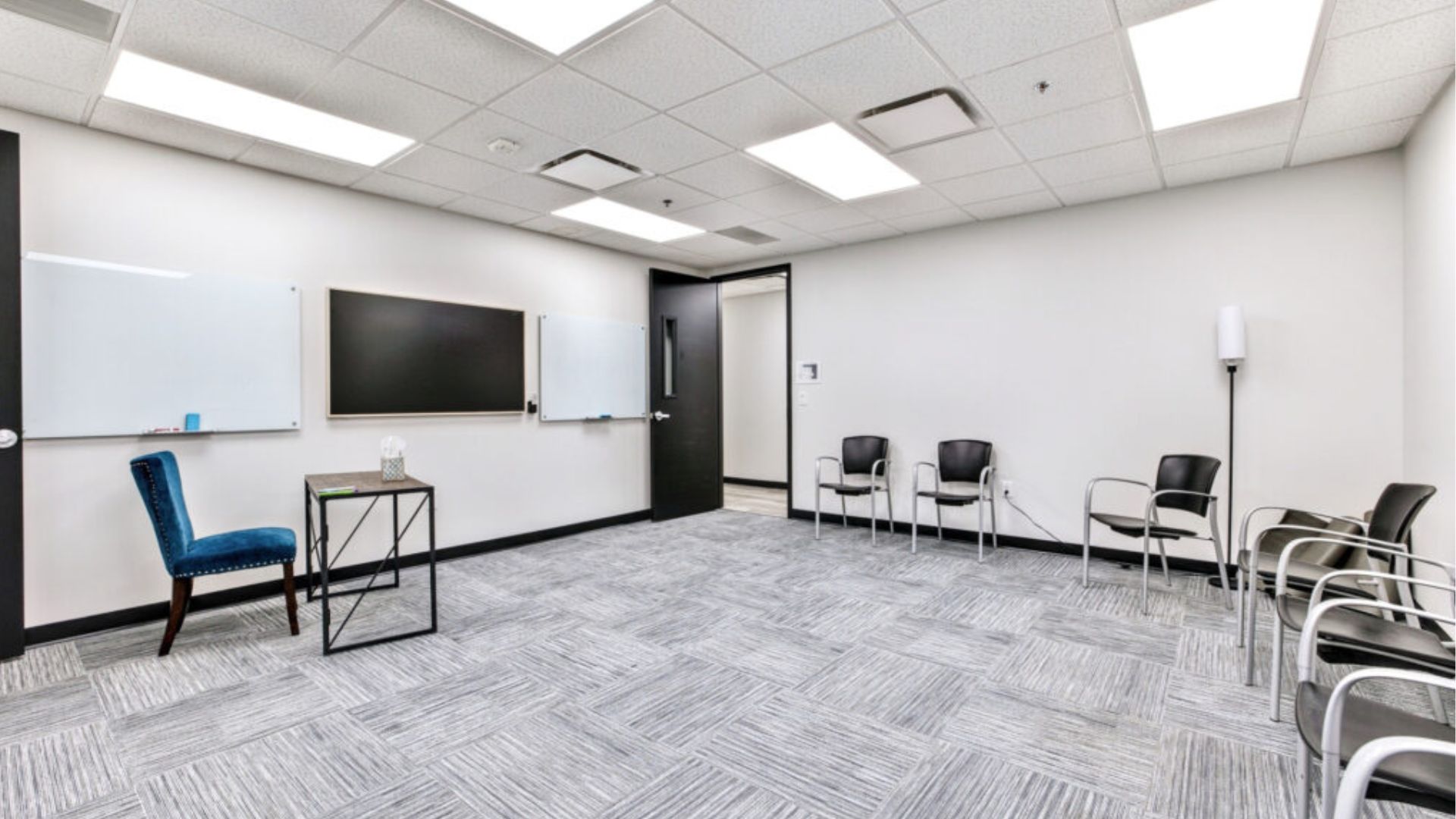
  • Group therapy, where peers share how they handle cravings and setbacks
  • Family therapy to rebuild communication before a person goes home
  • Medication management, reviewed by a qualified provider as symptoms settle
  • Relapse prevention planning that starts early and continues after discharge

Nothing stays fixed. Withdrawal fades, sleep changes, and feelings that substances once muted begin to surface, so strong dual diagnosis programs reassess often and adjust. Because dual diagnosis residential treatment programs offer this range of services, no single therapy has to carry the whole load.

Mental Health Needs Real Care Start with one conversation.

What Does Co-Occurring Disorder Residential Treatment Include?

Co-occurring disorder residential treatment covers far more than therapy sessions. A typical day blends structure and rest: morning check-ins, counseling, group work, meals, exercise, and quiet time. That rhythm matters because many people arrive with broken sleep and chaotic habits. In dual diagnosis residential treatment, that steady routine gives the body time to stabilize while therapy does its work.

The mix of mental health issues also shapes the plan. The table shows common pairings and where care often focuses.

Mental health condition Common substance pattern Care focus
Depression Alcohol or sedatives to dull low mood Therapy, sleep repair
Anxiety disorders Drugs or alcohol to calm worry Coping skills, medication review
Bipolar disorder Heavier use during manic or low phases Mood stability, daily routine

These patterns are common, not rules. Treatment options differ because every personal history does.

Dual Diagnosis Inpatient Treatment Compared With Outpatient Care

Dual diagnosis inpatient treatment is not the only path, but it suits certain situations. Outpatient treatment lets people keep working and living at home, which works when symptoms are mild, home is stable, and support is close. Residential care fits better when relapse keeps happening, symptoms are hard to manage at home, or earlier outpatient attempts fell short. Cost, distance, and work obligations all shape the choice, but dual diagnosis residential treatment offers the most protection from everyday triggers.

Many people use both. A stay in dual diagnosis residential treatment can come first, followed by step-down outpatient care that keeps therapy and medication check-ins going while daily life resumes. Moving in stages protects the progress made inside.

Ready To Step Away? Structured healing awaits you.

Rehab for Dual Diagnosis at Hart Rehab: What to Look For

Searching for rehab for dual diagnosis can turn up dozens of options. Distance and amenities matter, but clinical answers matter more. Ask who completes psychiatric evaluations, whether mental health clinicians sit on the care team, how medications are managed, what happens when symptoms shift, and what support follows discharge. Ask, too, whether the dual diagnosis residential treatment program includes family therapy, group therapy, and relapse prevention. Good dual diagnosis treatment centers explain their process plainly instead of handing everyone the same plan.

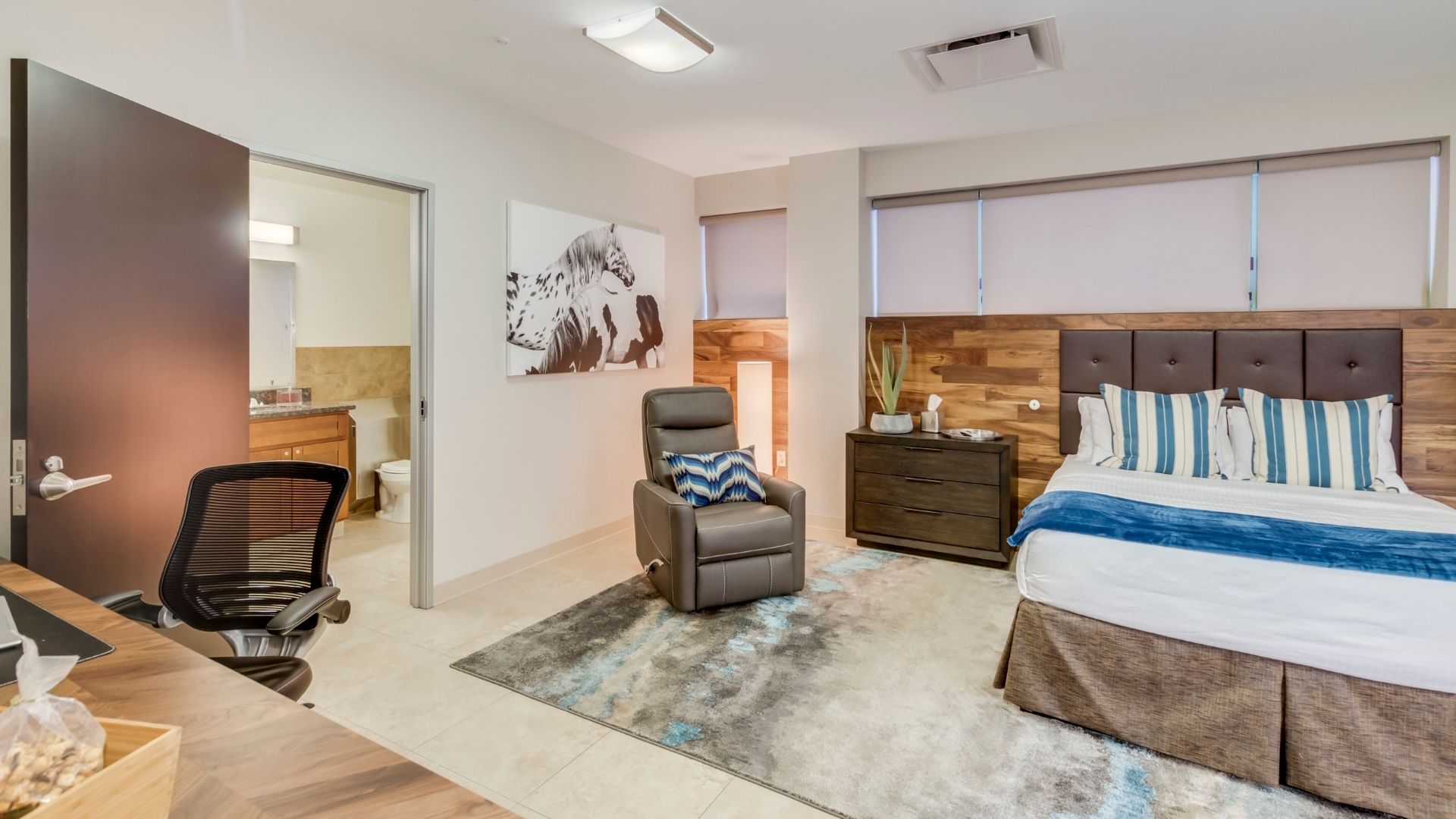
Hart Rehab in Scottsdale, Arizona, provides residential care for people facing addiction and mental health challenges together. Its approach pairs clinical services with holistic treatment, looking at sleep, nutrition, movement, stress, and relationships alongside therapy and psychiatric support. Holistic care works best as a partner to clinical care, never a replacement, and that balance is what Hart Rehab aims for. If you are weighing treatment for dual diagnosis for yourself or someone you love, the team can explain what dual diagnosis residential treatment could look like in your case.

Your Next Chapter Starts Here Hart Rehab will walk with you.