
What a Luxury Recovery Experience Actually Looks Like

Medical Providers:
Dr. Michael Vines, MD
Alex Spritzer, FNP, CARN-AP, PMHNP
Clinical Providers:
Natalie Foster, LPC-S, MS
Last Updated: September 16, 2026

Nearly 70,000. That’s how many people died of a drug overdose in the U.S. in 2025.

The count has dropped three years running, which is real progress. It still leaves plenty of people searching for somewhere to turn. For those weighing a program, a luxury recovery experience can lower the barrier to starting and staying: the quiet room, the good food, and the unhurried schedule exist to make deeper clinical work possible. Comfort isn’t the cure, but it can keep someone in the room long enough for the cure to work.


Our Addiction Treatment Centers

Ready to take the first step? Support is one call away.

What Does A Luxury Recovery Experience Actually Include?

Start with the setting. Quiet grounds, natural light, and a schedule that doesn’t feel like a hospital ward. Most luxury rehab centers build around one idea: when the environment is calm, the nervous system gets a chance to settle, and early therapy becomes easier to tolerate.

Scenery alone doesn’t justify the price, though. The better rehab centers in this category pair those surroundings with licensed clinicians, medical oversight, and a full range of treatment services. Amenities are the wrapper. What’s inside is what counts.

Detox is often where a stay begins, and it’s one place comfort earns its keep. Withdrawal can be miserable and, with some substances, dangerous. Round-the-clock nursing, a quiet room, and medical support when appropriate make that first week more manageable. Feeling looked after in those early days can make staying feel possible.

Expect smaller client numbers, more one-on-one time, and staff who know your name by day two. That ratio matters more than a pool or a view, and it’s where high-end addiction recovery really separates itself from a standard rehab facility. You’re paying for attention, not just accommodations.

Is Comfort Enough, Or Does Clinical Care Matter More?

Clinical care wins, every time. A massage can’t replace a treatment plan built by people who understand mental health and substance abuse together. Plenty of clients arrive with anxiety, depression, or trauma tangled up in their drinking or drug use. Treat one without the other, and the gap tends to show up later.

So ask direct questions before you commit. Are the treatment programs evidence-based? Does the team offer behavioral therapies such as cognitive behavioral therapy or dialectical behavior therapy? Is a psychiatrist on staff, or only on call? Who oversees medical detox?

Credentials are worth a look, too. Licensed therapists, board-certified physicians, and accredited programs aren’t optional extras. They’re the baseline. A polished website can say anything, but a state license number can be verified in minutes, and it’s a simple way to separate marketing from medicine.

A good addiction treatment program answers without hedging. If the tour lingers on thread counts and skips the clinical side, that tells you something.

Comfort and real care, together. Find your fit today.

How Do Private Rooms And A Private Chef Help Addiction Recovery?

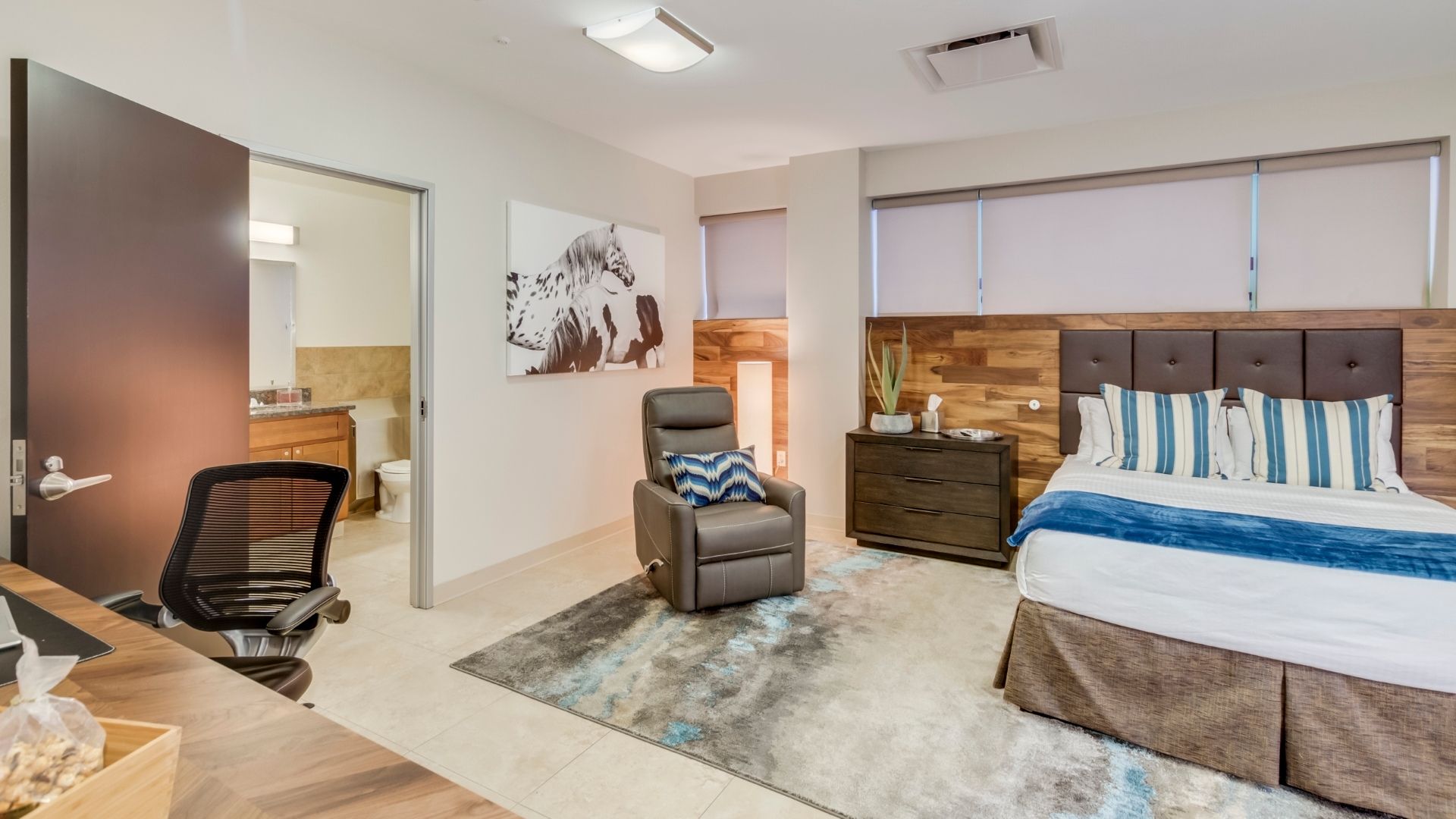
Sleep is usually the first casualty of early sobriety, and sharing a room with a stranger while your body adjusts only makes it worse. A rehab with private rooms gives you a door that closes. A place to journal, cry, or sit in silence after a hard session. For some clients, that privacy is the difference between finishing the program and leaving on day four.

Food matters too, and not in a fluffy way. Years of heavy use often leave people depleted, underfed, and low on key nutrients. A rehab with private chef service can build meals around those gaps, along with allergies or medical needs. It also gives the day a steady, predictable anchor when everything else feels shaky.

Privacy carries another layer for people whose lives are public or professional. A teacher, a surgeon, or a business owner may worry about being recognized, and that worry can delay treatment for years. Smaller programs with strict confidentiality practices and private living quarters take some of that fear off the table, so attention can go to the work itself.

Used well, the private rooms and the private chef serve the same purpose: a body and mind stable enough to do difficult work.

What Does Personalized Addiction Treatment Look Like Day To Day?

Picture two clients under one roof. One is a physician who has hidden a pill habit for years. The other is a retired executive whose drinking escalated after a divorce. The addiction recovery goals look similar on paper, but the stories couldn’t be more different. Personalized addiction treatment starts by respecting that.

It usually begins with a thorough assessment covering medical history, substance use patterns, trauma, and any co-occurring conditions. From there, the team builds an individual treatment schedule: how many private sessions, which group work fits, what medical support is needed. A strong treatment plan gets revised as you progress, not filed away after week one.

Days often blend therapy with movement, rest, and time outdoors. Talk therapy can feel impossible at first, and that’s where options like art therapy help. They let someone express what they can’t yet put into words.

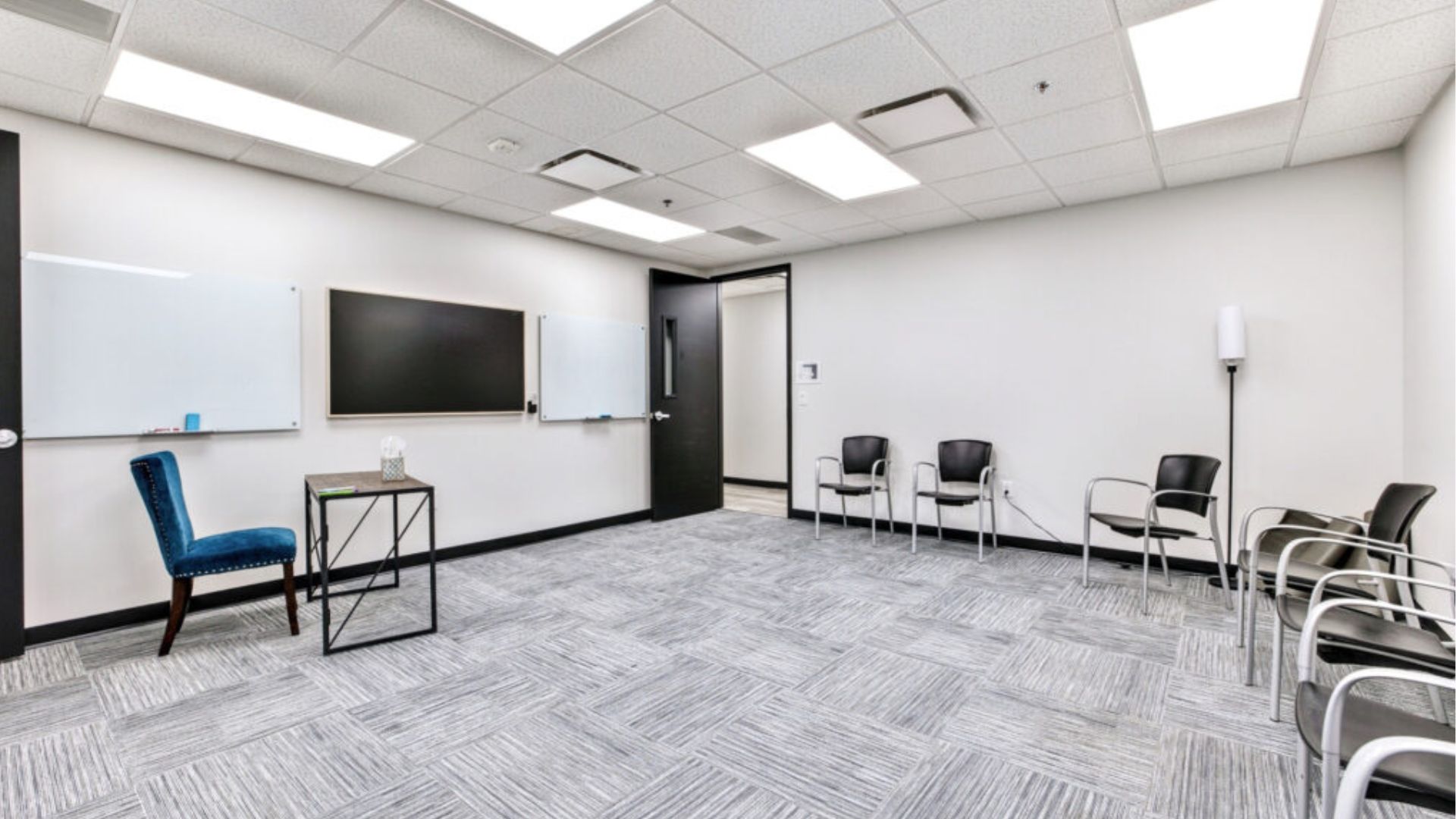
Family often enters the picture, too. Substance use rarely stays contained to one person, and relatives carry their own confusion, anger, and worry. Structured family sessions give everyone a safe place to talk and learn what support actually looks like, so the person coming home isn’t stepping back into the same patterns.

Recovery can feel different. Speak with our team.

Where Does Holistic Care Fit In?

Holistic programs treat the whole person, not just the substance. Therapy and medicine still anchor the work, while yoga, meditation, acupuncture, nutrition counseling, and creative outlets support it. The aim isn’t to replace the basics of drug and alcohol rehab. It’s to fill in what those basics can leave out, like stress management, sleep, and a sense of purpose.

Take yoga, for example. It’s easy to dismiss as stretching, yet it teaches slow breathing and body awareness, two skills that come in handy when a craving hits at 10 p.m., and nobody’s around. Nutrition counseling works the same way: practical, unglamorous, and surprisingly useful.

Fair question: does “holistic” just mean soft? Not when it sits on a clinical foundation. Studies have linked mindfulness and regular exercise to better outcomes when they’re added to standard care. The key word is added. A program offering only incense and crystals isn’t offering real addiction treatment.

Over a long recovery journey, these habits are what people lean on after discharge, when the structure of a residential stay falls away, and ordinary life comes back.

Discover Luxury Recovery at Hart Rehab

Hart Rehab is a holistic rehab, and that shapes how it approaches a luxury recovery experience. Comfort matters here, but it’s never the point on its own. The setting exists to support the real work: therapy, medical care, and the daily habits that make sobriety hold up once you’re home.

Holistic care means the whole person gets attention at once. Physical health, emotional steadiness, and daily routine aren’t handled in separate silos. That matters most once the cravings quiet down and real life starts to feel possible again, because that’s when those pieces have to work together.

You don’t have to take any of this on faith. Ask to tour the treatment center, in person or virtually. Ask about licensing, accreditation, and average length of stay. Find out what aftercare looks like and how family can be involved. And be direct about money: what’s included, what costs extra, and whether insurance covers any part of the treatment services.

If you’re comparing addiction treatment centers, call Hart Rehab, bring your toughest questions, and listen to how the team answers. A program worth trusting won’t mind being asked.

Questions? We'll answer them honestly. Reach out today.