Residential Addiction Treatment: A Whole-Person Approach

Medical Providers:
Dr. Michael Vines, MD
Alex Spritzer, FNP, CARN-AP, PMHNP
Clinical Providers:
Natalie Foster, LPC-S, MS
Last Updated: September 30, 2026

Nearly 1 in 6 Americans aged 12 and older, about 48.4 million people, had a substance use disorder in 2024. Plenty of them tried to manage it on the side, between work shifts and family obligations, and found that willpower alone doesn’t hold up against a house full of triggers. Residential addiction treatment takes a different route. You step away from daily life and live at a facility while you heal. Below, we cover what residential addiction treatment involves, who it helps most, and how to choose a good one.


Our Addiction Treatment Centers

Healing Starts With One Call. Hart Rehab is ready to listen.

Residential Treatment for Addiction: What It Actually Involves

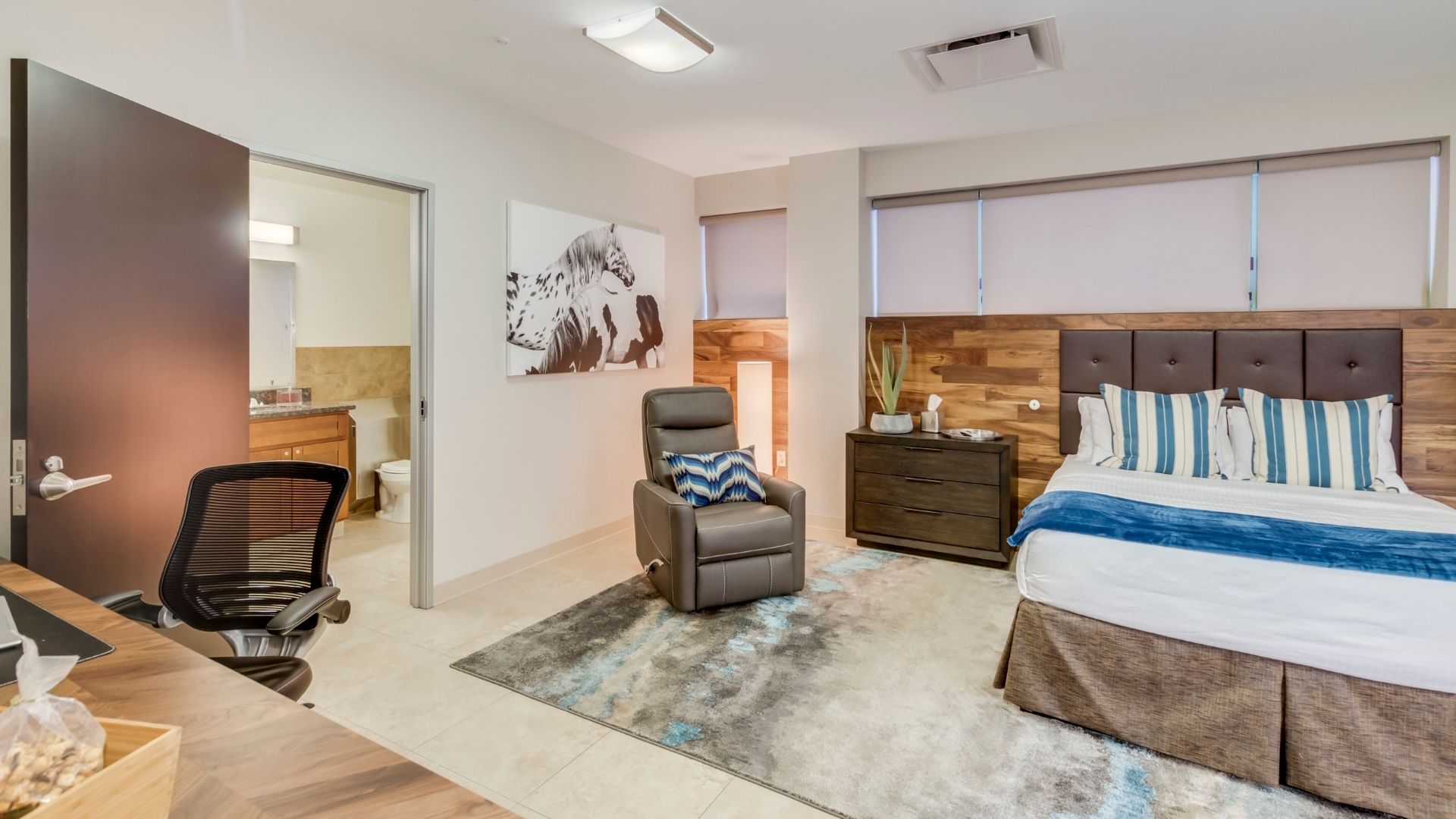
Think of residential treatment for addiction as a reset you can’t get at home. You sleep, eat, and attend therapy in one place, so cravings have fewer openings. A day might start with stretching or a quiet walk, move into counseling and group sessions, and end with journaling or a support meeting.

Holistic care widens that picture. Alongside talk therapy, residential addiction treatment can include mindfulness training, yoga, art therapy, and meals planned by someone who understands how early sobriety affects the body. The aim is to rebuild health on every front, not just stop the substance.

What Happens Inside a Residential Inpatient Program?

Day one of residential addiction treatment is mostly paperwork and questions. Staff look at your medical background, substance history, and mental health, then draft a treatment plan around what they find. When withdrawal is a concern, medical assistance comes first, since detox from alcohol or certain drugs can turn dangerous without supervision.

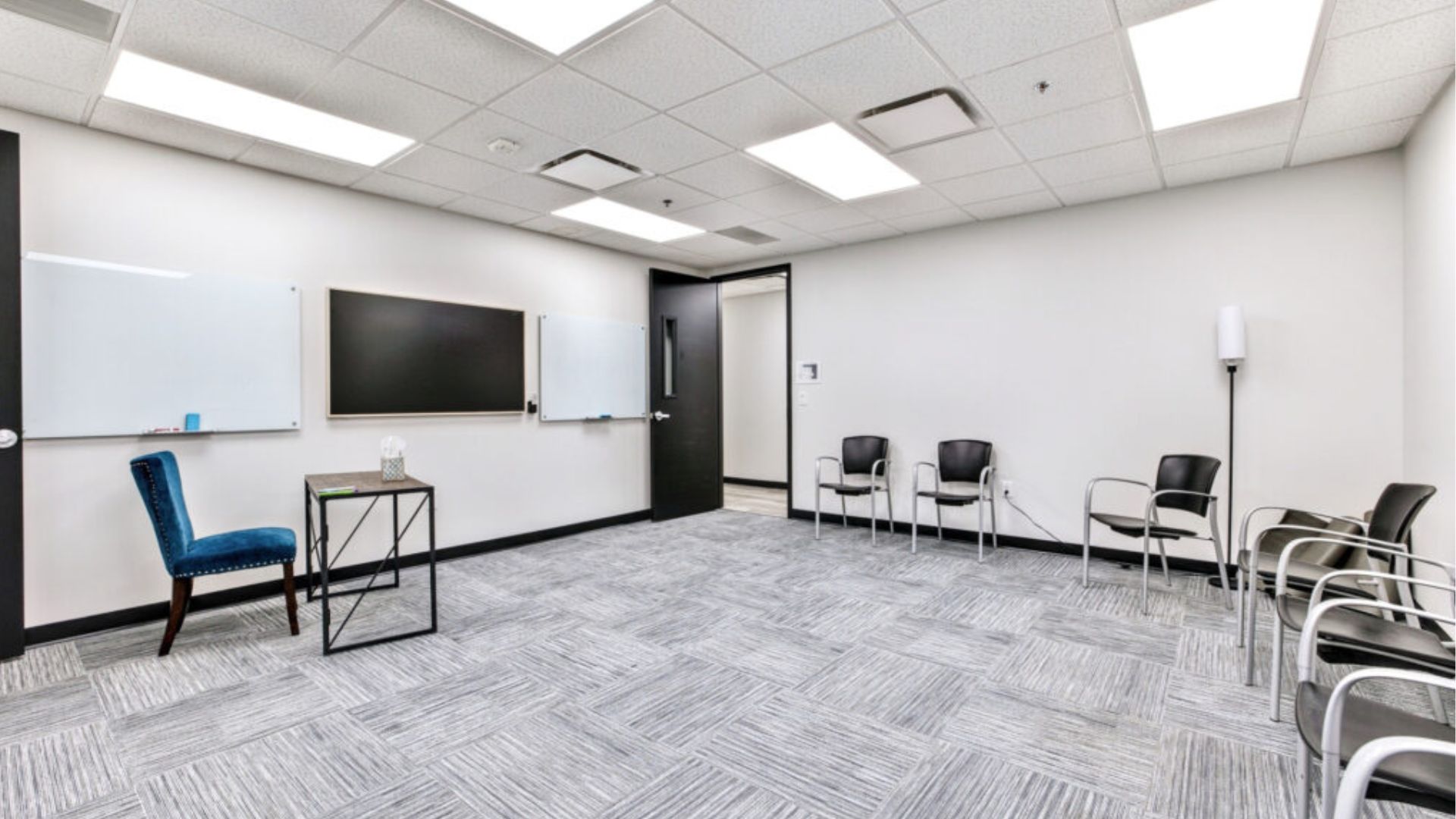
After that, the weeks fill with individual sessions, group work, and practical classes in life skills such as budgeting, sleep habits, and handling conflict. Most stays in residential addiction treatment last 30 to 90 days. Inpatient treatment means round-the-clock staff and a supportive environment, and that kind of inpatient care is the main difference from outpatient visits. The three main levels of care break down like this:

Level of care Where you sleep Time commitment
Residential On site Full days, 24/7 support
Partial hospitalization At home Several hours, most days
Outpatient At home A few hours a week

Wondering Which Level Fits You? Our admissions team can help.

Who Benefits From Residential Treatment for Substance Use Disorder?

Residential treatment for substance use disorder often makes sense when lighter care didn’t stick, or when home is part of the problem. It also fits people using drug and alcohol together, anyone with a co-occurring mental health condition, and those whose withdrawal needs close watching.

It isn’t the only road. If your symptoms are mild and your home is steady, other treatment options might do the job, and an assessment will tell you more than guessing will. Family members can play a part, too. Many residential treatment programs run family sessions, so the people waiting at home learn alongside you. Choosing residential addiction treatment isn’t a sign you failed at something easier. For many people, it’s simply the level that matches the problem.

Private Addiction Recovery: Does a Smaller Setting Matter?

Often, yes. Private addiction recovery usually means fewer residents, calmer surroundings, and therapists who know your name. A larger crowd can mean shorter check-ins and a generic schedule.

A smaller group also changes how support groups feel. People open up faster when the room has eight faces instead of thirty. Over a long recovery journey, that early trust can carry you through the dull, difficult stretches where motivation dips. Privacy counts, too: private residential addiction treatment suits professionals who’d rather not discuss care at the office.

Prefer a Quieter Place to Heal? Let’s talk about your options.

What to Look for in a Residential Rehab Program

Every treatment facility photographs well. The real test is what sits behind the brochure. Before you commit to residential addiction treatment, ask about these:

What to check Why it matters
Licensing and accreditation Shows state oversight and recognized quality standards
Clinical staffing Licensed clinicians and nurses on site, not only support staff
Specialized programming Trauma, dual diagnosis, or whatever you personally need
Relapse prevention Real coping skills and a written plan, not vague promises
Continuum of care Step-down options and aftercare once you leave
Admissions team Straight answers on cost, insurance, and timelines


A tour, even a virtual one, tells you plenty. Notice whether staff seem rushed and whether residents look engaged.

Hart Rehab designs its holistic treatment around those questions. Clinical therapy sits next to mindfulness, movement, and nutrition guidance, so care reaches the body as well as the mind. While many treatment centers offer a fixed program, Hart Rehab shapes each plan around the person. If you’re weighing residential addiction treatment, the team can walk you through insurance, timing, and what to expect on arrival. Reach out when you’re ready, and they’ll help you take that first step.

Your Next Step Is Close. Reach out whenever you’re ready.