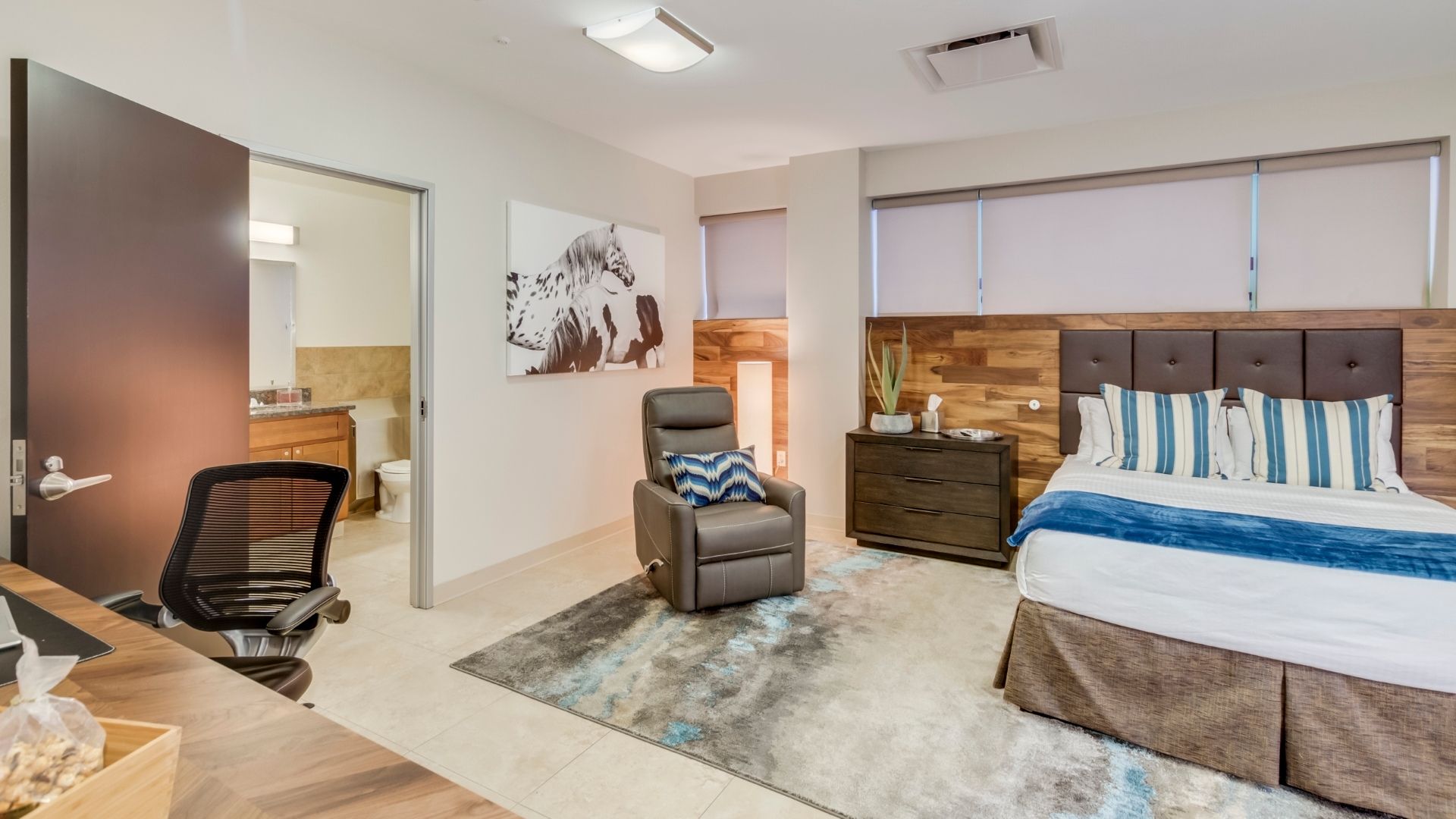

Luxury Alcohol Rehab in Scottsdale, Arizona

Medical Providers:
Dr. Michael Vines, MD
Alex Spritzer, FNP, CARN-AP, PMHNP
Clinical Providers:
Natalie Foster, LPC-S, MS
Last Updated: July 15, 2026

Most people do not wake up one morning and calmly decide that rehab is the next logical step. The decision usually comes after smaller moments: another argument at home, a missed meeting, a promise to cut back that lasts two days, or the uneasy feeling that drinking alcohol now controls more of the week than it should.

A luxury alcohol rehab offers a private, structured place to step away from that cycle. The setting may be comfortable, but the real value is not a nicer room or better food. It is the chance to receive serious clinical care without the noise and pressure that often make recovery harder.

In Scottsdale, that separation can feel meaningful. Quiet desert mornings, open skies, and a slower pace can help people settle enough to look honestly at what has been happening. The pause may reveal patterns hidden beneath crisis and routine.

Strong programs combine medical care, therapy, relapse prevention, family involvement, and a plan for what happens after discharge. Comfort should support that process, not become the whole point.


Our Addiction Treatment Centers

Find care built around you. Talk with our team today.

Luxury Alcohol Rehab Centers

Luxury Alcohol Rehab Centers are not all alike. Some focus heavily on amenities. Others use a balanced model where privacy and comfort sit alongside evidence-based treatment, medical oversight, and individualized planning.

A person may enter treatment because alcohol has begun affecting sleep, work, relationships, or physical health. Another may still look successful from the outside but feel dependent on alcohol to relax, socialize, or get through the evening.

A thoughtful treatment center starts with a full assessment. Staff should ask about drinking patterns, previous withdrawal symptoms, medications, mental health issues, family history, work stress, trauma, and earlier attempts to stop. That information helps determine whether medical detox, residential treatment, or another level of care fits.

Before choosing between treatment facilities, ask direct questions:

  • Who supervises alcohol detox and medical care?
  • How often will individual therapy take place?
  • Are co-occurring substance use disorders treated?
  • How are family members involved?
  • What happens after residential treatment ends?
  • Is ongoing support planned before discharge?

A polished website can make every program look reassuring. The real test is whether the center can explain how treatment decisions are made and how progress is measured.

Privacy matters too. Some people avoid care because they worry about work, reputation, or personal exposure. Smaller luxury rehab centers may provide more discretion and more contact with the clinical team.

Why Come to Our Luxury Alcohol Rehab?

There is no single profile of someone who needs treatment for alcohol. One person may drink every night after work. Another may binge drinking on weekends and spend Monday trying to recover. Someone else may hide bottles, rotate stores, or make sure there is always alcohol in the house.

Why come to our luxury alcohol rehab? Because distance from familiar routines can create room for change. At home, the same triggers are still there: the liquor cabinet, stressful calls, relationship tension, social pressure, and the habit of pouring a drink before dinner. In residential care, those patterns are interrupted.

The schedule helps too. Meals happen at regular times. Therapy has a set place in the day. Sleep is monitored. Group work, movement, and quiet time are built in. For someone whose life has become reactive or chaotic, that consistency can feel stabilizing.

A smaller program can notice details that are easy to miss. Maybe a client participates in a group but avoids one topic. Maybe sleep is still poor. Maybe cravings rise after calls with a family member. These patterns can shape the treatment plan.

Comfort matters in a practical way. A private room may help someone sleep. Nutritious meals may improve energy. Outdoor space may make it easier to decompress after a hard session. In a well-designed luxury alcohol rehab, these features remove distractions so the person can stay engaged.

Take one step toward recovery. Reach out for private support.

Experience Luxury Alcohol Treatment

Luxury Alcohol Treatment should feel personal, not improvised.

The plan should reflect why alcohol became so central. For some people, drinking is tied to anxiety. For others, it became a way to avoid grief, loneliness, trauma, or constant pressure. Some people also struggle with drug and alcohol addictions at the same time. Treating only the drinking behavior can leave major risks untouched.

Individual therapy gives clients space to discuss things they may not share in a group. Group therapy offers something different. It breaks isolation. Hearing another person describe the same rationalizations, excuses, or fears can make denial harder to maintain.

A support group also helps people practice recovery in real time. They learn how to listen, speak honestly, handle discomfort, and accept feedback without walking away.

Family work can be useful when it is safe and appropriate. Loved ones often arrive with confusion, anger, or exhaustion. They may need help understanding boundaries, enabling, communication, and realistic recovery. Trust usually returns slowly. It is built through repeated behavior, not one emotional conversation.

Luxury Alcohol Treatment may also include movement, mindfulness, nutrition support, creative work, or time outdoors. These are not substitutes for therapy. They can support sleep, stress management, and daily structure.

The best center’s offer is not a long menu of services. It is a connected plan. Therapy, medical care, wellness support, and discharge planning should point in the same direction.

Safe Alcohol Detox & Comprehensive Treatment

Alcohol withdrawal can be unpredictable. A person who drinks heavily or frequently may develop shaking, sweating, nausea, anxiety, sleep problems, confusion, hallucinations, or seizures after stopping. Because symptoms can become serious, safe alcohol detox should be medically guided.

During medical detox, staff monitor symptoms, vital signs, hydration, nutrition, sleep, and changes in mental status. Medication may be used when clinically appropriate. The goal is to reduce risk and help the body stabilize.

A person can leave detox feeling physically better and still return to alcohol within days or weeks. The original triggers are still waiting. So are the same beliefs, habits, and relationships. Comprehensive care begins after stabilization, when the person can participate more fully in therapy.

That next phase may include counseling, group work, medication management, relapse prevention, family sessions, and planning for ongoing support. It may also address depression, anxiety, trauma, or other mental health issues that feed the drinking pattern.

Safe Alcohol Detox Comprehensive Treatment works best when there is no gap between stabilization and the next level of care. A connected transition reduces the chance that someone leaves with good intentions but no real plan.

Find a calmer path forward. Connect with our team today.

How Alcohol Addiction is Treated at HART Rehab

How alcohol addiction is treated at HART Rehab begins with the person, not just the diagnosis.

Alcohol addiction affects more than drinking behavior. It can disrupt sleep, nutrition, confidence, relationships, work, and the ability to manage stress. A holistic rehab approach looks at those areas together.

At HART Rehab, the goal is not to replace clinical treatment with wellness activities. It is to combine evidence-based care with practices that help the body and mind recover together. Therapy may focus on triggers, cravings, trauma, emotional regulation, and relapse prevention. Holistic services may support movement, rest, nutrition, mindfulness, and healthier routines.

That combination matters because recovery has to work outside the treatment center. A client may identify a trigger during therapy, notice the physical tension connected to it during mindfulness practice, talk through it with peers, and build a specific plan for responding differently after discharge.

The Scottsdale environment can support that process. Time away from familiar pressures gives clients a chance to slow down, but the purpose is not escape. The purpose is practice.

Long-term recovery is built through repetition. It develops when a person learns to recognize risk early, ask for help sooner, and keep using the tools learned in treatment. It also requires ongoing support, whether that includes outpatient care, therapy, a support group, family involvement, or another structured plan.

A luxury alcohol rehab should help someone leave with more than temporary relief. HART Rehab’s holistic model is designed to help clients rebuild routines, strengthen coping skills, and create a life that is easier to protect from alcohol.

Recovery can start with one call. Learn what care could fit.