
Best Rehab Arizona: Finding the Right Fit

Medical Providers:
Dr. Michael Vines, MD
Alex Spritzer, FNP, CARN-AP, PMHNP
Clinical Providers:
Natalie Foster, LPC-S, MS
Last Updated: July 8, 2026

Looking for the best rehab usually starts with comparing facilities, but it quickly becomes something more personal. It’s less about how a place looks on paper and more about whether you can actually open up there, feel understood, and get the kind of support that helps you move forward.

Arizona has plenty of treatment centers to choose from. What’s harder is figuring out which ones genuinely help people rebuild their lives, rather than just guiding them through a program and sending them on their way.


Our Treatment Programs

Lorem ipsum dolor. Lorem ipsum dolor sit.

Lorem Ipsum

Lorem ipsum dolor sit amet

Recovery starts with one decision. Talk to someone who understands.

What Actually Makes the Best Rehab Arizona Stand Out?

If you’ve looked at a handful of rehab websites, you’ve probably noticed they all promise compassionate care, personalized treatment, and experienced staff. After a while, everything starts sounding the same.

The difference usually becomes clear once you look beyond the marketing.

The best rehab Arizona programs don’t try to fit every person into one schedule or one approach. They build treatment around the individual. That means understanding what led to the addiction in the first place, whether it’s alcohol addiction, prescription medications, trauma, anxiety, depression, or several issues happening together.

Strong addiction treatment centers also adapt as you make progress. Early recovery looks very different from week six, and your treatment plan should reflect that. A program that never changes often misses opportunities to address new challenges as they appear.

Quality shows up in the people, too. You can usually tell pretty fast if the staff is actually communicating or just kind of doing their own thing. When everyone’s on the same page, things feel a lot less chaotic, which matters when everything already feels uncertain.

Accreditation is another detail worth paying attention to. A treatment center that’s recognized by the Joint Commission has met nationally recognized standards for patient care and safety. While accreditation alone doesn’t guarantee a great experience, it’s one sign that a facility takes quality seriously.

Finally, look beyond what happens inside the building. Good programs prepare people for what comes next by introducing peer support, practical relapse prevention skills, and realistic plans for life after treatment. Recovery doesn’t end at discharge, and the strongest programs never pretend it does.

Find care that puts you first. Let's talk about your options.

Is Inpatient Care Always the Better Choice?

People often assume residential care is automatically the best option. That’s not always true.

If things feel out of control or home isn’t a stable place right now, stepping into inpatient rehab in Arizona can give you space to breathe and focus on getting better.

But not everyone needs that level of care. Some people have jobs, families, or a steady support system, and outpatient treatment can fit better into their lives while still offering guidance and support.

The right level of care depends less on preference and more on clinical need. A thorough assessment should guide that decision rather than a sales conversation.

Many reputable programs also allow people to step down from residential care into outpatient services. Instead of feeling like treatment suddenly ends, recovery continues with the right amount of structure as confidence grows.

Why Does Dual Diagnosis Care Matter?

A lot of people don’t walk into rehab dealing with addiction alone.

Maybe alcohol became a way to quiet anxiety. Maybe drug use started after years of untreated depression. Sometimes the addiction comes first, and sometimes a mental health condition has been there all along. Either way, treating one while ignoring the other usually leaves people stuck in the same cycle.

That’s why strong addiction treatment doesn’t separate behavioral health from substance use. It treats both together.

Ask how the program handles dual diagnosis. Will you meet with licensed therapists? Is psychiatric care available if needed? Does the team adjust your treatment plan as you improve?

Those questions tell you far more than a brochure ever will.

When people receive coordinated mental health services, they’re not just learning how to stop using. They’re learning how to deal with the stress, emotions, and situations that once made substances feel like the only answer.

Get the support you deserve. Recovery begins with one call.

What Should You Look for Before Choosing a Rehab Center?

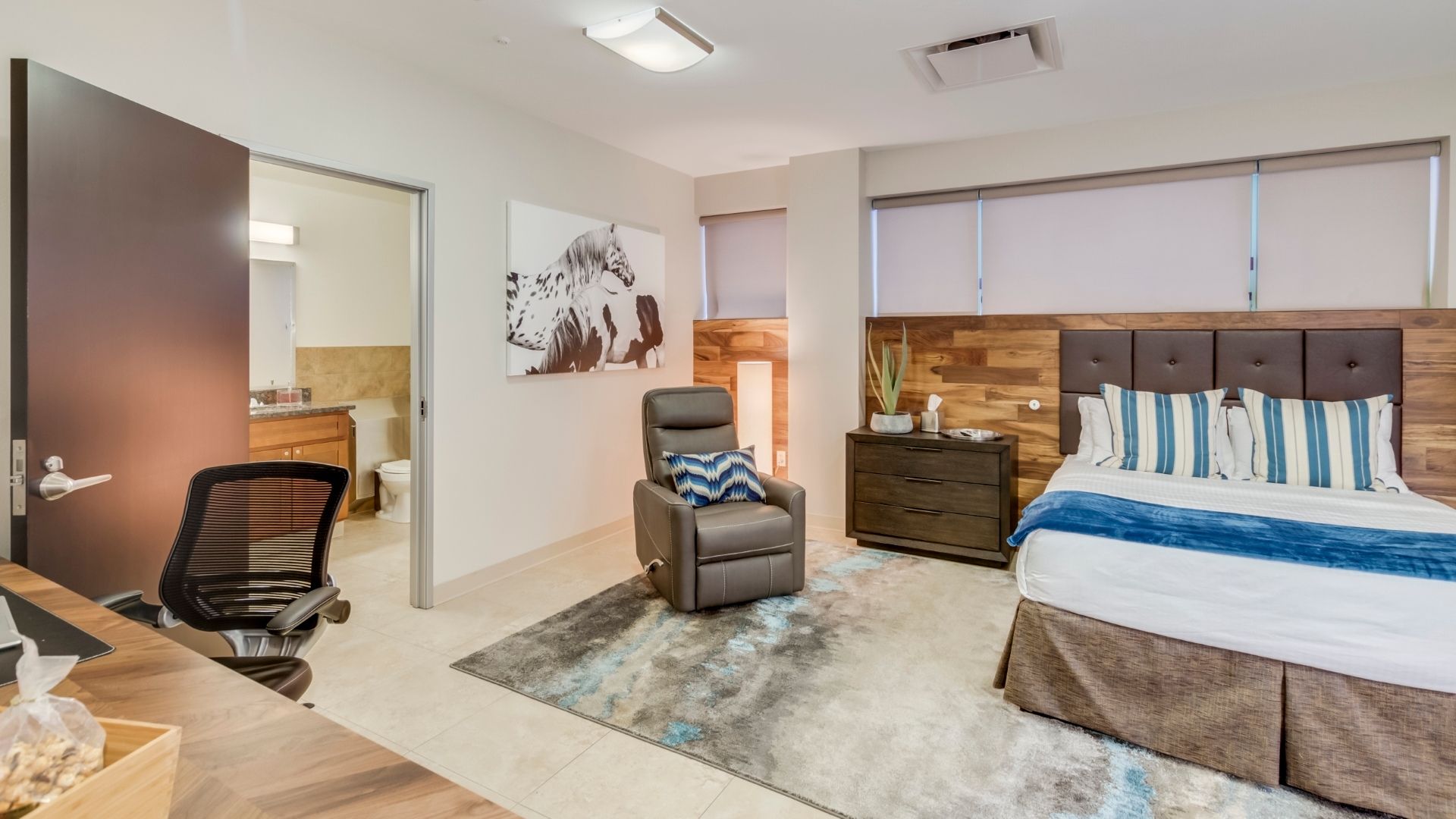
It’s easy to get distracted by luxury photos or impressive amenities. Comfortable surroundings are nice, but they’re not what keeps people sober.

Instead, ask practical questions.

How involved is the clinical team? What do the daily treatment programs actually look like? Is family included when appropriate? What happens after discharge?

If insurance coverage matters, find out exactly what’s included before you commit. A trustworthy admissions team should explain your benefits clearly instead of giving vague promises or pushing you toward a decision.

It’s also worth asking how long clients typically stay. Some people benefit from shorter programs, while others need more long-term support before they’re ready to transition back home. A quality rehab center doesn’t rush that decision. Progress should determine the timeline—not the calendar.

How Do the Best Programs Support Long-Term Recovery?

The first weeks of treatment are just the beginning. The real challenge comes when you return to daily life—work, family, routines, and stress.

Strong programs prepare you for that transition from day one.

Effective aftercare goes beyond a simple referral list. It should include ongoing therapy, relapse prevention planning, alumni support, community resources, and access to peer support groups. If you need continued mental health services, those should already be arranged before discharge.

Recovery isn’t always smooth. Some days are easier than others, and having a plan—and people you can rely on—makes a big difference.

When comparing the best rehab facilities in Arizona, ask what support looks like after treatment ends. That answer reveals whether a program focuses on short-term results or lasting recovery.

Stay supported beyond treatment. Take the next step today.

Finding the Right Rehab Is About More Than Rankings

Many people look for the best rehab Arizona has to offer, but there isn’t one perfect place for everyone. What matters most is finding a program that feels right for you and supports you through the whole process.

Some people do better in residential care, while others find success with outpatient treatment after detox or inpatient care. It really comes down to what fits your life and your needs.

When you’re comparing programs, pay attention to how they treat people. Look for a caring team, a range of treatment options, support for both substance use disorder and mental health, and a focus on helping you stay on track after treatment.

At Hart Rehab, the focus is on getting to know you before helping you choose the right path. Whether you’re looking for the best alcohol rehab in Arizona, comparing the best inpatient drug rehab Arizona programs, or exploring drug rehab options that fit your life, you’ll find care that feels personal and supportive—not one-size-fits-all. Recovery works best when it’s built around you and continues to support you even after you leave.

Real recovery starts with a conversation. We're here when you're ready.