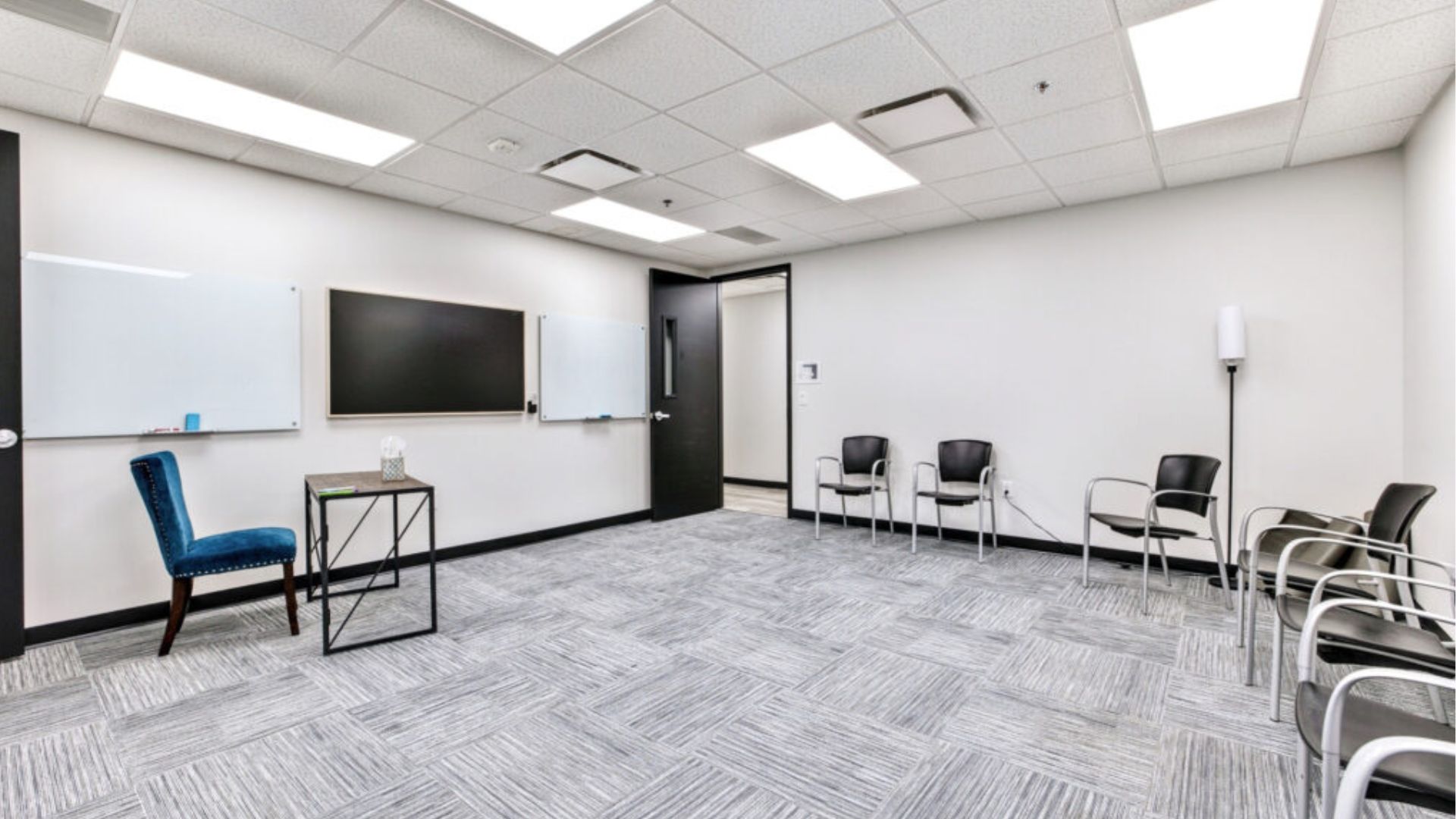
Inside Hart Rehab Arizona: What Treatment Looks Like

Medical Providers:
Dr. Michael Vines, MD
Alex Spritzer, FNP, CARN-AP, PMHNP
Clinical Providers:
Natalie Foster, LPC-S, MS
Last Updated: September 25, 2026

Fewer than one in ten Americans with an alcohol use disorder received any treatment in 2024. Think about what that number hides: millions of people lying awake at 3 a.m., promising themselves they’ll deal with it next month. Plenty of them don’t know where to start, or assume the options are either a hospital ward or a spa weekend. Hart Rehab Arizona sits somewhere far more useful than either.


Our Addiction Treatment Centers

Ready to stop drinking? Talk to someone today.

What Makes Hart Rehab Arizona Different From Other Recovery Centers

Start with the setting. Hart Rehab Arizona offers luxury addiction treatment Arizona families can trust to feel calm rather than clinical: private rooms, quiet grounds, and staff who learn your name by day two. Comfort isn’t the goal on its own. It simply removes the small irritations that push people out the door in week one.

The model is holistic alcohol rehab Arizona residents and out-of-state visitors both search for. Medicine and talk therapy sit alongside movement, nutrition, and sleep, because a body worn down by years of drinking needs more than a prescription. Among recovery centers in the Southwest, that blend of comfort and clinical depth is harder to find than it sounds. Plenty promise it. Fewer build the daily schedule to deliver it.

Who Needs Inpatient Rehab in Arizona?

Not everyone does. Someone who’s relapsed after outpatient visits, drinks to get through the morning, or lives in a house full of triggers usually benefits. Inpatient rehab in Arizona removes the easy access and the easy excuses, and it gives the nervous system room to settle.

Safety plays a role as well. Stopping alcohol abruptly can cause dangerous withdrawal, including seizures, which is why detox shouldn’t be attempted alone at home.

Residential treatment also offers what a weekly appointment can’t: a full day built around getting better. Clinicians assess each person to find the right level of care, whether that means detox under medical supervision, a live-in stay, or a step-down program afterward. Someone struggling with addiction shouldn’t have to guess which one fits. Matching the intensity to the need is half the work.

Detox shouldn’t happen alone. Get medical support now.

What Happens During Treatment?

A typical day has a rhythm. Morning check-ins, group work, individual therapy sessions, and downtime that’s genuinely downtime. Meals matter too, since nutrition is often the first thing to slip during heavy drinking.

Every client gets a written treatment plan, revised as they progress. The core of the treatment program relies on evidence-based therapies, including cognitive behavioral therapy (CBT), which teaches people to catch the thought patterns that lead to a drink. Some respond better to family sessions or trauma-focused work, so the mix shifts from person to person.

Group sessions often surprise newcomers. Sitting beside others who’ve lost jobs, trust, or weekends to alcohol takes the shame down a notch. Someone who arrived convinced they were the only one hiding bottles in the garage soon hears their own story told by a stranger.

Case management quietly handles what derails people: insurance questions, work leave, aftercare appointments. Why does that matter? Because worrying about paperwork is a relapse risk too.

How Does Care Address Addiction and Mental Health Together?

Drinking rarely shows up alone. Anxiety, depression, and old trauma tend to travel with it, and treating one while ignoring the other usually backfires.

Hart Rehab handles addiction and mental health through one team. Doctors and therapists look at substance abuse and mental health as a single picture, not two separate files. A person with a substance use disorder and panic attacks won’t be told to wait on the panic until they’re sober. Underlying mental health issues get attention from week one, using evidence-based treatment matched to the diagnosis.

That integrated approach is what good behavioral health care looks like. It also tends to hold up longer, because the reasons someone drank in the first place finally get addressed. Sobriety without that work can feel like white-knuckling through every evening.

Questions about treatment? Our team can answer them.

How Do You Take the First Step?

The first call is usually the hardest, and it doesn’t commit you to anything. Admissions staff listen, ask about medical history and insurance, and outline treatment options that fit your situation. Plenty of callers just want to understand what happens next. It helps to have a few details ready: how long and how much someone drinks, any medications, past attempts at quitting. None of it needs to be polished.

Sometimes the person who needs help isn’t ready to ask for it. Families in that spot can turn to alcohol intervention Arizona professionals, who plan the conversation so it lands as concern rather than ambush. And anyone comparing Arizona substance abuse programs or weighing Arizona alcohol abuse treatment can ask how each one handles detox, therapy, and aftercare. Those answers say a lot.

A good addiction treatment center should welcome those questions. Hart Rehab Arizona does. Hart Rehab is ready to talk whenever you are, even if you’re only curious.

Hart Rehab is ready when you are. Make the call today.