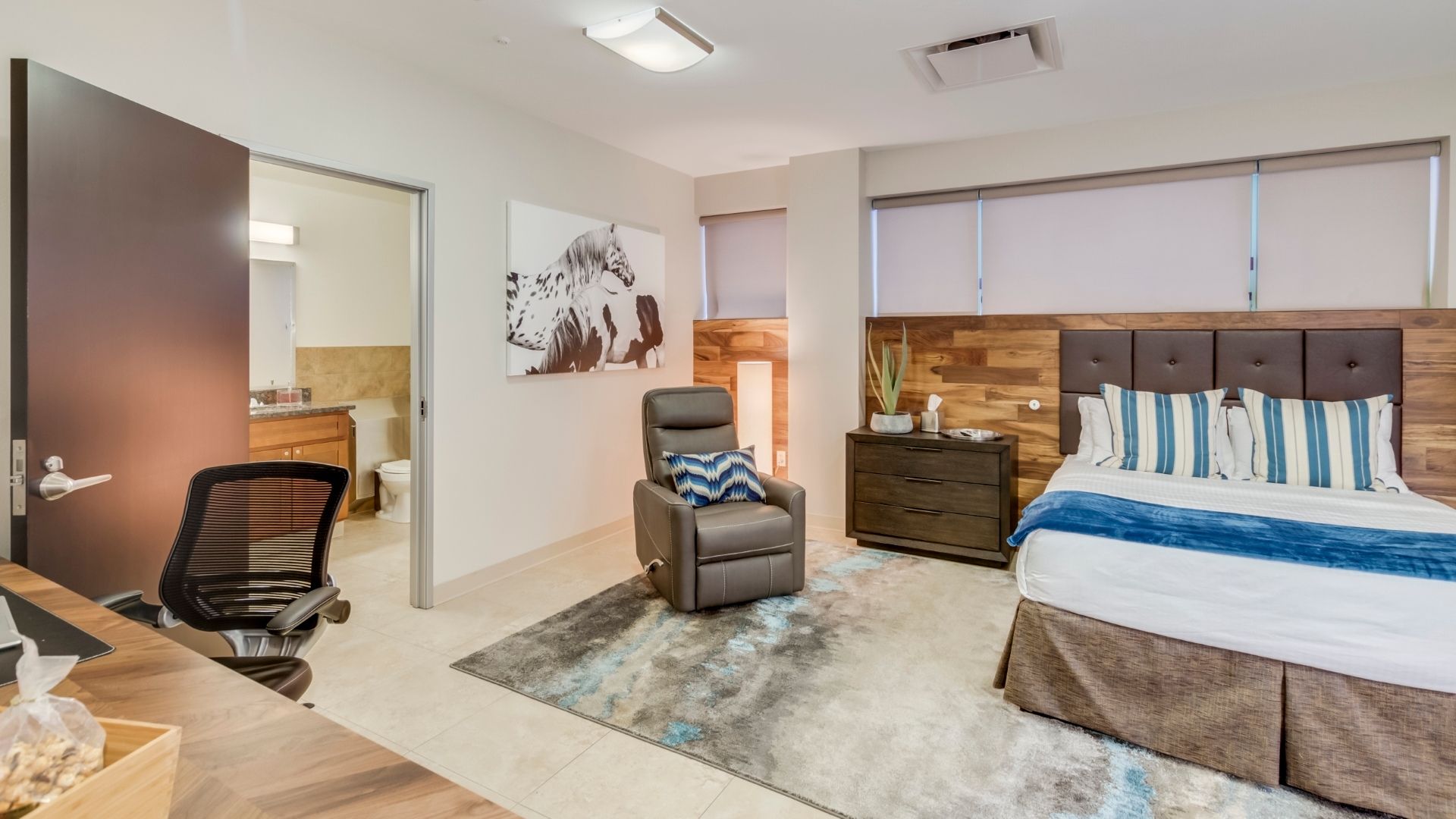

Private Addiction Recovery Center: A Closer Look

Medical Providers:
Dr. Michael Vines, MD
Alex Spritzer, FNP, CARN-AP, PMHNP
Clinical Providers:
Natalie Foster, LPC-S, MS
Last Updated: July 27, 2026

It isn’t always the addiction that keeps people from getting help. Sometimes it’s the fear of being recognized. Sometimes it’s worrying about work, family, or what happens if someone finds out. For others, it’s the thought of walking into a crowded facility and sharing the hardest parts of their life with a room full of strangers.

Those concerns are more common than people realize.

A private addiction recovery center exists for people who want expert care without sacrificing comfort, confidentiality, or personal attention. While no treatment program can promise an easy road, the right environment can make it easier to focus on the work that actually changes lives.


Our Addiction Treatment Centers

Private help starts today. Talk with our team.

Why Do People Choose a Private Addiction Recovery Center?

Ask people why they delayed treatment, and you’ll hear different stories.

One person worried clients would discover they had entered rehab. Another couldn’t imagine discussing years of drinking in front of twenty strangers. Someone else simply wanted enough quiet to think clearly for the first time in years.

Those reasons have very little to do with luxury. They’re about feeling safe.

A private addiction treatment center usually serves fewer residents than larger facilities. That often means quieter common areas, more time with therapists, and a schedule that leaves room for individual needs instead of asking everyone to fit the same mold.

Privacy matters in practical ways, too. Professionals may need confidential communication with employers. Parents often want to protect their children from unnecessary attention. Public-facing careers bring their own concerns. A private setting gives people space to recover without feeling like they’re constantly being watched.

Some people begin their search thinking they simply need private addiction rehab. After speaking with a treatment professional, they realize they’re really looking for a program that offers privacy, experienced clinicians, and care that reflects their individual circumstances. The name isn’t what matters most. It’s whether the treatment helps them understand what’s driving the addiction and gives them the tools to build a healthier life afterward.

That extra breathing room can make difficult conversations happen sooner. When people feel comfortable enough to be honest, therapists have a much clearer picture of what’s driving the addiction in the first place.

Not every person needs this kind of environment.

For some, community-based programs provide exactly the support they’re looking for. Others know they’d shut down in a larger setting. Finding the right fit is often more important than finding the fanciest facility.

Recovery Isn't Built Around One Schedule

Walk into two different rehab centers and the daily timetable may look almost identical.

  • Wake up.
  • Breakfast.
  • Group therapy.
  • Individual counseling.
  • Dinner.
  • Lights out.
  • On paper, everything appears the same.
  • The difference is what happens between those time slots.

In a quality private residential addiction recovery program, treatment isn’t treated like an assembly line. A therapist may spend extra time exploring unresolved grief. A psychiatrist might adjust medications after noticing subtle changes over several days. Someone recovering from trauma may move through therapy differently than someone whose addiction developed after years of chronic stress.

Those aren’t small adjustments. They’re often the reason treatment feels personal instead of standardized.

Good programs build treatment plans around the individual, not around available openings on a calendar.

That approach becomes even more valuable when drug and alcohol addiction exists alongside anxiety, depression, PTSD, or other mental health conditions. Treating only one problem usually leaves the other waiting quietly in the background.

Real progress happens when both receive attention at the same time through coordinated evidence-based therapies led by an experienced clinical team.

Find care that fits you. Speak confidentially today.

Does Luxury Treatment Improve Recovery Outcomes?

People often picture the extras first.

A private room. Quiet walking paths. Better food. A peaceful setting.

Those things can make treatment feel less intimidating, especially if someone has spent months or years living in constant stress. But they aren’t what helps a person stop drinking or using drugs.

What changes lives is what happens behind closed therapy room doors.

The strongest luxury private addiction recovery treatment center programs understand that. Comfortable surroundings are there to support recovery, not replace it. The real value comes from experienced clinicians, thoughtful treatment plans, and evidence-based therapies that adapt as someone makes progress.

Imagine trying to unpack years of guilt or trauma after another sleepless night in a noisy facility. It’s hard to stay present when your body never has a chance to settle down.

A quieter environment gives people room to think. They aren’t distracted by constant activity, and they’re more likely to slow down enough to be honest—with themselves and with their therapist.

That’s often where recovery starts.

The best programs also recognize that healing rarely follows a straight line. One week, someone may need more individual counseling. The next, they might spend extra time working through family relationships or learning healthier ways to handle stress.

That flexibility is worth far more than high-end amenities.

When comfort, privacy, and strong clinical care come together, people can focus on the reason they came in the first place: building a life they don’t feel the need to escape from.

What Happens After You Arrive?

The first day usually isn’t what people expect.

Many arrive thinking they’ll immediately be handed a schedule and sent from one activity to the next. Instead, the pace is often much slower.

The first priority is understanding the person—not just the addiction.

Your care team wants to know what life looked like before alcohol or drugs became the center of it. They’ll ask about your health, family, work, past treatment, and whether anxiety, depression, or other mental health concerns have been making things harder.

Those conversations aren’t about checking boxes. They’re how a treatment plan begins.

If detox is needed, medical staff make sure it’s handled as safely and comfortably as possible. Once withdrawal is under control, the focus shifts toward understanding why the addiction developed and what will be needed to prevent it from returning.

Over the next several days, your schedule starts to take shape.

You might spend one morning in individual counseling, another in group therapy, and later meet with members of the clinical team to review your progress. Depending on your needs, your care may include family therapy, medication management, and evidence-based therapies for substance use disorders and co-occurring mental health conditions.

There’s another part of treatment that often catches people by surprise.

Life starts feeling…normal again.

Meals happen at regular times. Sleep becomes more consistent. Conversations aren’t centered around finding the next drink or drug. Small routines begin returning almost without you noticing.

They may not seem significant at first.

Then one day, you realize you’ve made it through an entire afternoon without thinking about using.

Those small moments don’t always get talked about, but they’re often the first signs that real change is beginning.

Recovery begins with one decision. We're ready when you are.

Recovery Deserves More Than Privacy

By the time someone starts looking for a private addiction recovery center, they’ve usually spent weeks—or months—weighing the decision.

Maybe they’ve promised themselves this is the last time they’ll drink. Maybe they’ve hidden their drug or alcohol use from the people closest to them. Maybe they’ve searched for treatment before, only to close the browser and tell themselves they’d deal with it later.

That hesitation is understandable.

Asking for help isn’t difficult because people don’t know treatment exists. It’s difficult because it means admitting something has to change.

The right program gives you space to do exactly that.

For some, that means recovering in a quiet setting away from work and daily pressures. Others are looking for experienced clinicians who understand that substance abuse rarely happens in isolation. Anxiety, depression, trauma, and other mental health conditions often shape the story long before treatment begins.

That’s why quality residential programs look beyond the addiction itself. They focus on the person sitting across the table—their health, relationships, routines, and what life needs to look like after residential treatment ends.

At Hart Rehab, that philosophy shapes every stage of care. From your first conversation with our team through discharge planning, you’ll receive individualized treatment built around your circumstances, not a standardized checklist. Our clinicians combine compassionate support with evidence-based care to help people build a foundation for lasting recovery.

Recovery doesn’t begin when everything feels certain.

It begins when someone decides they don’t want addiction making the next decision for them.

Take the first step today. We're ready when you are.