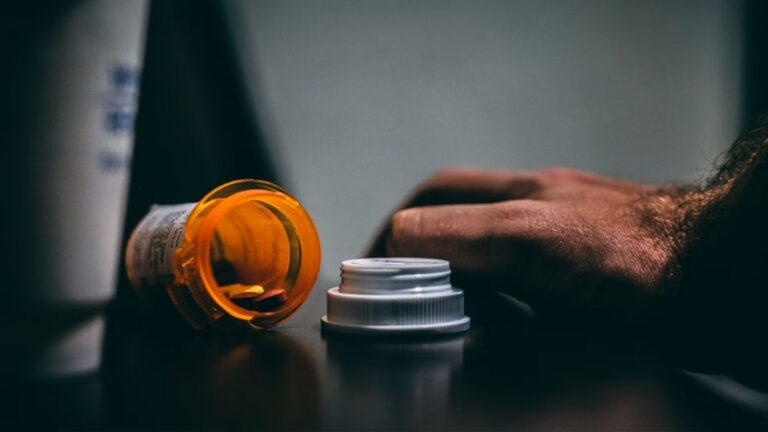

You might be exploring benzodiazepine detox and treatment because you’re concerned about dependence, tolerance, or challenging withdrawal. Benzodiazepines—commonly prescribed as Valium, Xanax, Ativan, and Klonopin—can be effective for anxiety, insomnia, and seizures, but long-term use may lead to physical dependence and difficult withdrawal symptoms. According to the Cleveland Clinic, an estimated 30.5 million people in the U.S. took benzodiazepines prescribed by a healthcare provider over a 12-month period in 2014–2015 [1]. Understanding the detox process, managing acute and protracted withdrawal, and planning treatment strategies can help you navigate recovery more safely and successfully.
In this article, you’ll learn how benzodiazepines work, what to expect during detox, and which medical and therapeutic options can support you. We’ll cover taper guidelines, symptom management, professional resources, and long-term recovery strategies so you can make informed decisions about your path forward.
Understanding benzodiazepines and dependence
Benzodiazepines act on GABA receptors to slow central nervous system activity, producing sedation, relief from anxiety, muscle relaxation, and anticonvulsant effects. While effective in the short term, long-term use can diminish GABAergic response and increase glutamatergic activity, leading to tolerance and physical dependence [2].
Common medical uses
- Anxiety disorders
- Insomnia and sleep disorders
- Muscle spasms
- Seizure control
- Pre-operative sedation
Risk of tolerance and dependence
Prolonged benzodiazepine use can result in:
- Reduced therapeutic effect at the same dose
- Withdrawal symptoms on dose reduction or cessation
- Increased risk of misuse, especially when combined with opioids [3]
Withdrawal syndrome overview
Withdrawal from benzodiazepines can begin within hours for short-acting drugs or up to three weeks for long-acting ones due to active metabolites [4]. Symptoms range from mild anxiety and insomnia to severe complications like seizures and delirium tremens in rare cases.
Preparing for detox
A safe and effective benzodiazepine detox begins with careful planning in collaboration with healthcare professionals.
Conduct a medical evaluation
Before starting detox, you’ll need:
- A comprehensive medical history, including substance use and co-occurring conditions
- Physical examination and baseline labs
- Mental health assessment to identify anxiety, depression, or other concerns
Develop a taper plan
Abrupt cessation can be dangerous. Most guidelines recommend a gradual dose reduction:
| Reduction rate | Frequency |
|---|---|
| 50% of initial dose | Weekly (short-term taper) |
| 10–25% of daily dose | Every two weeks (slower taper) |
Avoid extending the taper beyond six months without specialist oversight [2]. Taper schedules should be personalized based on:
- Duration of benzodiazepine use
- Starting dosage and potency
- Your withdrawal symptom profile
Managing withdrawal symptoms
Understanding both the acute and protracted phases of withdrawal can help you anticipate and address challenges.
Acute withdrawal phase
Occurs within days to weeks of dose reduction and may include:
- Anxiety, panic attacks
- Insomnia, vivid dreams
- Sweating, tremors, muscle pain
- Nausea, sensory disturbances
Post-acute withdrawal syndrome (PAWS)
PAWS can persist for weeks or months, featuring:
- Mood swings, depression, anxiety
- Fatigue, low energy
- Cognitive difficulties, poor concentration
Symptoms may fluctuate and require ongoing support [5].
Symptom management strategies
- Non-benzodiazepine medications such as buspirone for anxiety
- Flumazenil, a benzodiazepine antagonist, under medical supervision to reduce certain withdrawal symptoms [5]
- Behavioral techniques: mindfulness, relaxation exercises, sleep hygiene
- Nutritional support and adequate hydration
Exploring treatment options
Detox is just the first step. Combining medical supervision with therapeutic interventions improves outcomes.
Inpatient detox programs
- 24/7 medical monitoring to manage severe withdrawal
- Access to medications and emergency care
- Structured environment to minimize relapse triggers
Outpatient detox support
Safe for many individuals unless complications arise. Outpatient care typically offers:
- Regular medical check-ins
- Taper adjustments based on symptom severity
- Referral to therapy or support groups
Medication-assisted tapering
Medications can make tapering safer and more comfortable:
- Switching to longer-acting benzodiazepines before tapering
- Adding buspirone or antidepressants to stabilize mood
- Using adjuncts like anticonvulsants when indicated
Seeking professional support
You don’t have to navigate detox alone. Engaging knowledgeable providers and evidence-based guidelines can improve safety.
Role of healthcare providers
- Physicians, psychiatrists, or nurse practitioners design and oversee your taper
- Psychologists or counselors deliver cognitive behavioral therapy to address anxiety and coping skills
- Pharmacists review drug interactions and optimize dosing
Clinical guidelines and resources
- South Australia Health offers clinical practice guidelines for benzodiazepine withdrawal management and outpatient safety SA Health
- The Substance Abuse and Mental Health Services Administration (SAMHSA) provides national data, treatment locators, and funding for recovery housing [6]
- Drug and Alcohol Clinical Advisory Services available 24/7 for consultation [7]
Building long-term recovery
Sustaining progress after detox requires a holistic approach to relapse prevention and well-being.
Aftercare and relapse prevention
- Develop a written relapse prevention plan
- Schedule regular follow-up appointments with your care team
- Monitor mood, sleep, and craving levels
Support groups and therapy
- Peer support from 12-step or non-12-step groups
- Individual or group therapy for anxiety, trauma, or co-occurring disorders
- Family counseling to rebuild trust and communication
Healthy coping strategies
- Regular exercise and balanced nutrition
- Mindfulness meditation and breathing techniques
- Creative outlets such as journaling or art
Accessing specialized care
Depending on your history, you may benefit from programs focused on prescription drug recovery or co-occurring substance use.
Prescription drug treatment programs
Specialized services can address unique aspects of benzodiazepine dependence. For parallel support with other medications, explore prescription drug addiction treatment or prescription medication abuse rehab.
Related substance-specific programs
If you’ve experienced polysubstance use or co-occurring dependencies, consider:
- Opioid treatment program
- Fentanyl addiction recovery
- Heroin treatment center
- Cocaine rehab program
- Meth addiction treatment
- Alcohol rehab program
Each program offers tailored therapies and medical oversight suited to your recovery goals.
Navigating benzodiazepine detox and treatment can feel overwhelming, but with a clear plan, professional support, and evidence-based strategies, you can reduce risks and move toward lasting recovery. If you’re ready to take the next step, reach out to qualified providers and explore programs that fit your needs. For broader substance-use support, consider a drug addiction rehab program that addresses your full spectrum of recovery requirements.