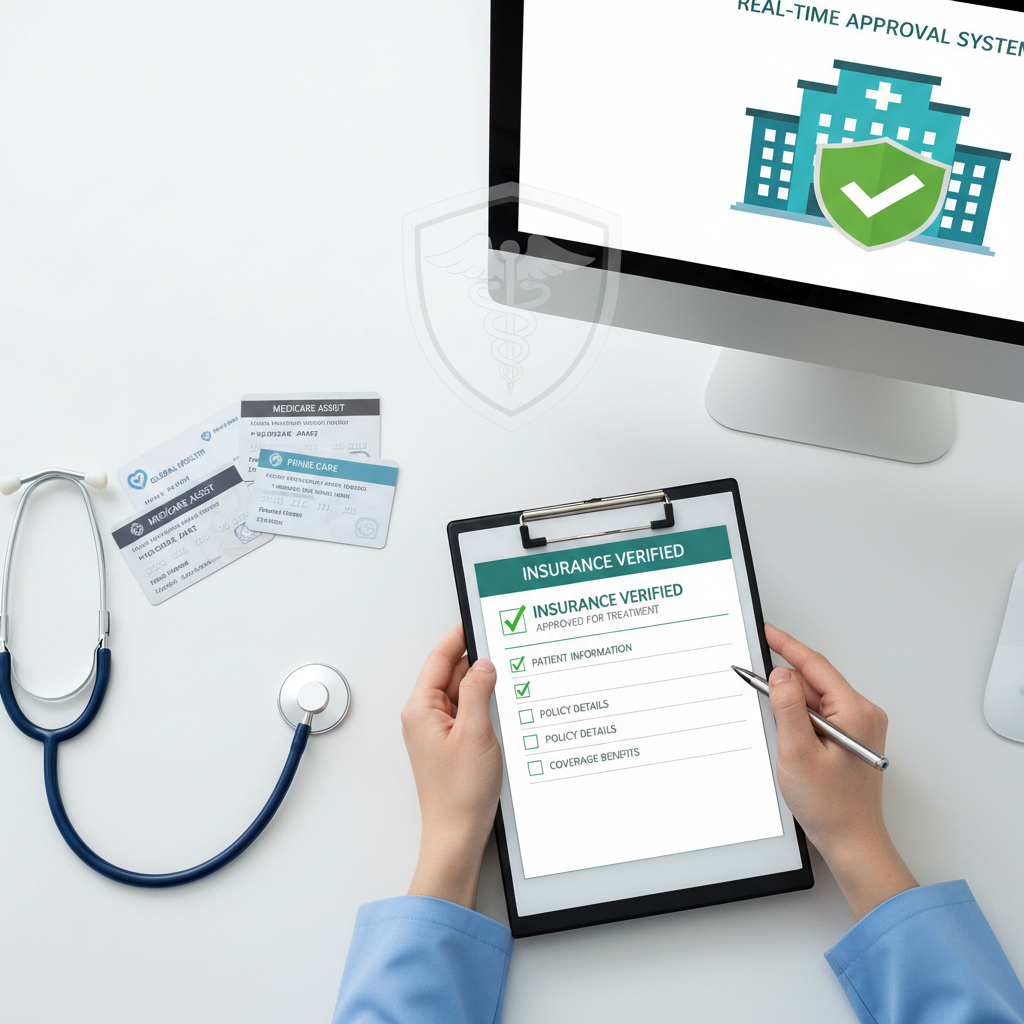
Why it matters to verify insurance for treatment
If you plan to use health insurance to pay for addiction or mental health treatment, taking time to verify insurance for treatment before admission is one of the most important steps you can take. In 2025, accurate insurance verification is critical because of rising healthcare costs, tighter payer rules, and higher patient expectations. When coverage is not checked properly, you can face denied claims, unexpected bills, delays in starting care, and a breakdown of trust between you and your treatment provider [1].
Verifying benefits upfront helps you understand what your plan will cover, what you will pay out of pocket, and how long you can stay in treatment. It also allows the rehab or treatment center to complete authorizations, schedule your admission, and give you clear, written estimates. This clarity can significantly reduce stress at a time when you are already dealing with a lot.
What “verify insurance for treatment” really means
When you verify insurance for treatment, you or the provider are confirming your active coverage, specific benefits, and any restrictions that apply to the services you are seeking. This is more than a simple “yes, the policy is active” check.
Insurance eligibility verification typically includes confirming:
- That your policy is active on the dates you plan to receive care
- Whether the rehab or treatment facility is in network
- Whether your plan covers inpatient or residential treatment, detox, or outpatient care
- Deductibles, copays, and coinsurance for behavioral health or substance use services
- Any preauthorization or medical necessity requirements
- Day or dollar limits on coverage
Industry guidance describes eligibility verification as a process that confirms whether you have active coverage and what benefits apply before services are provided so that billing is accurate and denials are minimized [2].
Understanding these details upfront helps you decide where to go for treatment and how to plan for costs. If you are exploring options, resources like insurance accepted rehab and insurance coverage for treatment can give you an overview of how different plans work with rehab programs.
When you should verify insurance
You should begin the verification process as early as possible, ideally before you finalize an admission date. Healthcare revenue cycle experts recommend collecting insurance information as soon as you reach out to a provider, such as when you make your first call to discuss treatment or schedule an assessment [3].
Because calls to insurance companies can take 20 minutes or more and complex cases may require multiple contacts, connecting with the payer at least 72 hours before an initial visit or admission is recommended. Doing this early helps:
- Catch expired policies
- Identify if preauthorization is required
- Clarify any out-of-network issues
- Prevent last minute delays in admission
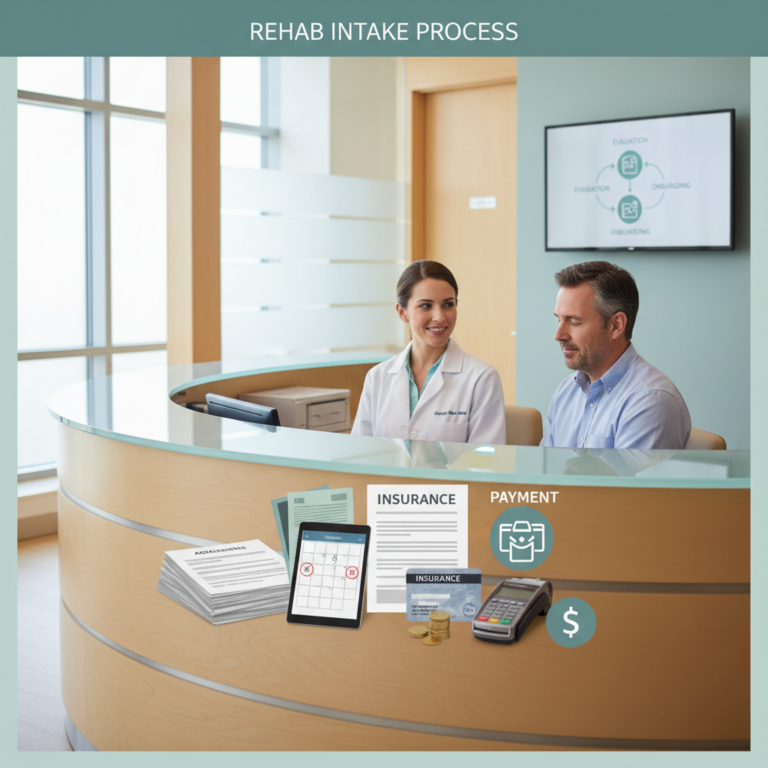
In many modern facilities, verification begins during the rehab intake process and continues up until the day you arrive. Some platforms even check eligibility multiple times before your visit to keep the information current [4].
Who can verify your insurance
You usually have three main options for who completes the verification:
1. The treatment center’s admissions team
Most reputable rehabs and behavioral health centers have admissions and financial staff who routinely verify insurance for treatment. This is often the easiest route for you, because they know which questions to ask and which details matter most for your level of care.
When you call to discuss admissions for rehab, the team will typically:
- Collect your insurance card information
- Obtain your consent to contact your insurer
- Speak with the payer or use an electronic system to verify eligibility and benefits
- Review your benefits with you in clear language
This approach can be particularly reassuring if you are considering a private rehab facility, where privacy, comfort, and potentially private rooms are important to you and you want a precise estimate of what your plan will cover.
2. You or a family member
You can contact your insurance company directly, either by calling the customer service number on your card or by logging into your member portal. While this gives you direct control, it can also be time consuming and confusing, especially if you are unfamiliar with the terminology.
If you do call yourself, be prepared to take detailed notes about deductibles, copays, daily rates, and preauthorization requirements. It can help to have the name and National Provider Identifier (NPI) of the treatment center you are considering, plus the type of program you want, such as detox, residential rehab, or intensive outpatient.
3. Automated verification tools
Many providers now use automated software integrated with their electronic health record or practice management systems that connects directly with insurers to verify coverage in real time. These tools can confirm details like copays, deductibles, and benefit limits and significantly reduce manual errors and staff time [5].
Some platforms check eligibility for all insured patients multiple times before a visit, often three or more times, to ensure information stays up to date and to reduce denials [4]. You may not see this process, but you benefit from more accurate cost estimates and smoother admissions.
Step by step: How to verify insurance for treatment
While every insurer and treatment center is different, the basic steps to verify insurance for treatment are similar across settings.
1. Gather your information
Before anyone contacts the insurance company, you will need to provide accurate information. Plan to have:
- Your full legal name, date of birth, and address
- The name of the policyholder, if different
- Insurance company name and customer service phone number
- Member ID and group number
- The front and back of your insurance card
- Any secondary insurance details, if you have more than one plan
Experts recommend collecting this information as early as the first phone call with a provider so there is time to resolve any issues before treatment begins [3].
2. Confirm identity and active coverage
Next, the admissions team or verification specialist will confirm your identity and check whether your policy is active for the dates you plan to receive care. This step might be handled through:
- A phone call to the payer’s provider services line
- An online eligibility portal on the payer’s website
- An automated eligibility verification service integrated with the provider’s systems [6]
This basic check ensures you are not basing plans on an inactive or terminated policy.
3. Verify behavioral health and rehab benefits
After confirming that your coverage is active, the focus turns to the benefits that specifically apply to addiction and mental health treatment. The verifier will typically ask about:
- Coverage for inpatient, residential, detox, and outpatient services
- Network status for the specific program or facility
- Per day or per stay limits for residential or inpatient care
- Any caps on the number of visits for outpatient therapy or intensive outpatient programs
- Coverage differences between in network and out of network settings
Many clients also ask about coverage for private rooms, particularly when they want more privacy or are considering a luxury or private environment. Not all insurers list private rooms separately, but it is important to ask how room and board are covered and if private accommodations change your out-of-pocket costs.
4. Clarify financial responsibility
Once the benefits are outlined, the next step is to understand what you will personally pay. The verifier will gather details such as:
- Annual deductible amount and how much you have already met
- Coinsurance percentage for inpatient or residential stays
- Flat copay amounts per day or per visit
- Out-of-pocket maximums for the year
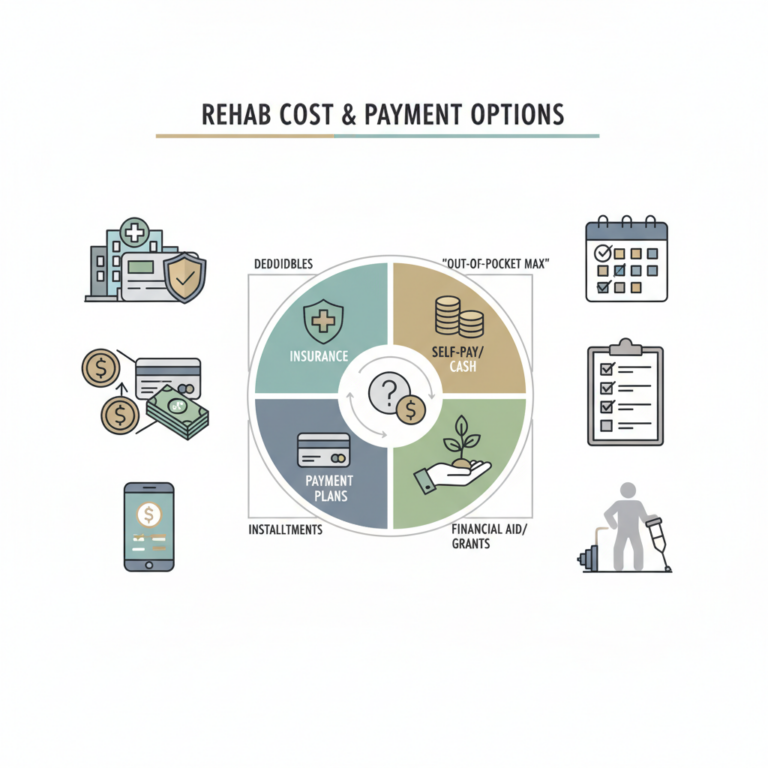
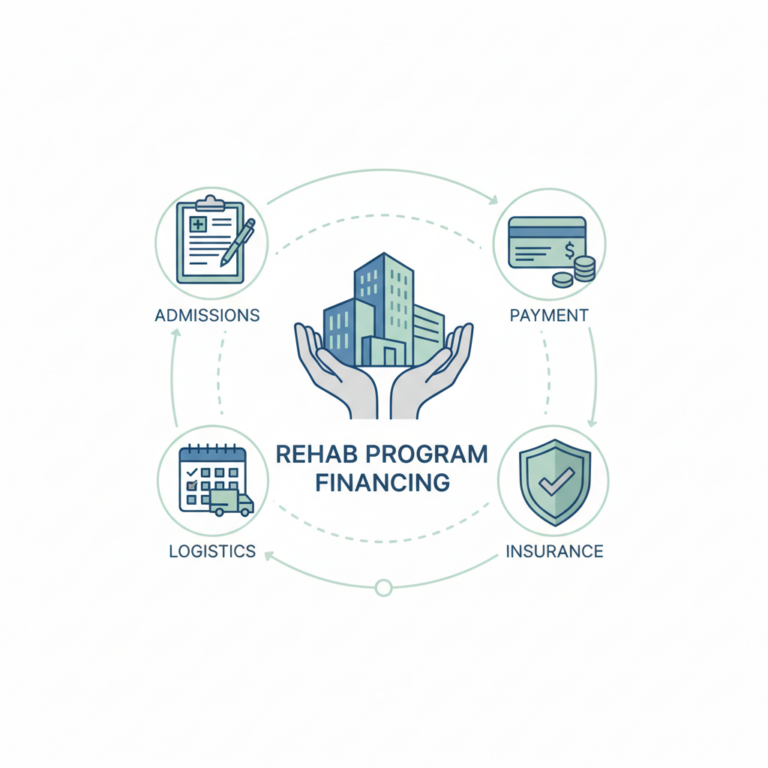
With this information, the admissions or financial team can then give you an estimate of your total costs for a typical length of stay. For example, if you are considering a residential program and you want to compare options, the rehab cost and payment options and financing rehab programs resources can help you see how insurance, savings, and payment plans may work together.
Transparent discussion of cost is essential. Industry guidance emphasizes that clear communication about coverage and out-of-pocket costs before treatment builds trust and reduces billing surprises later [1].
5. Identify preauthorization and documentation needs
Many insurers require preauthorization for residential treatment, medical detox, and sometimes intensive outpatient care. During verification, the provider will typically ask:
- Whether preauthorization is required
- What clinical criteria must be met
- What documentation is needed to obtain authorization
- How many days or sessions are authorized at a time
Understanding these requirements early allows the clinical and admissions teams to gather the right records and schedule assessments before you arrive, which helps avoid delays in admission or unexpected denials after treatment has started.
6. Document everything in your record
Best practice is to record all key details from insurance verification in your electronic medical record, including coverage information, contact names, reference numbers, and any limitations discussed with the payer. Scanning your insurance card and photo ID and storing them in your record also supports accurate billing and quick reference later [3].
This step protects you and the provider. Thorough documentation makes it easier to appeal denied claims and to verify coverage again if something changes.
7. Review coverage and next steps with you
Finally, the admissions or financial counselor will review your coverage in plain language. They may discuss:
- What your insurance is expected to pay
- Your estimated total out-of-pocket costs
- Deposit requirements or payment arrangements
- How your benefits may change if you extend your stay
- Any options if you have limited or no coverage
This is your opportunity to ask questions and request written estimates. It is also a good time to ask about the facility itself, including whether private rooms are available, what is included in your daily rate, and whether you can tour residential rehab before admission.
How technology is changing insurance verification
Insurance eligibility checks used to rely heavily on long phone calls and manual documentation. Today, more providers are using technology to make verification faster and more accurate.
Automation software, web platforms, and mobile applications can:
- Perform real-time eligibility checks directly with payers
- Pull detailed benefit information for specific types of services
- Reduce manual data entry and transcription errors
- Free up staff to spend more time on patient care [7]
Some platforms automatically verify benefits for every insured patient multiple times before their visit, with an average of three checks, to keep information current and reduce claim denials [4]. These tools are often integrated with leading EHR systems and may include features like AI-driven copay selection and automated revenue cycle workflows.
For you, this often looks like a smoother admissions experience, clearer cost estimates, and fewer surprises after treatment.
Common challenges and how to handle them
Even with good systems in place, you may encounter some challenges when you verify insurance for treatment. Being aware of them can help you respond more effectively.
Inaccurate or incomplete information is one of the most common issues. If your personal details or policy numbers are recorded incorrectly, verification results can be wrong. Verifiers recommend double checking spelling, numbers, and dates of birth at the start of the process [8].
Complex insurance rules can also create confusion, especially when plans have different benefit structures for mental health versus medical services, or when out-of-network exceptions may apply. If something is unclear, ask the admissions or financial counselor to explain it in simpler terms or to request clarification from the payer.
Time constraints are another challenge. Calls to insurance companies can be lengthy, especially during peak hours, and staff may need to follow up multiple times. Starting verification several days before admission gives you and the provider more room to resolve any outstanding questions [3].
Communication gaps between patients, providers, and insurers can also cause problems. If you receive new insurance cards, change plans, or experience any lapse in coverage, inform the admissions team immediately. Many experts recommend reverifying insurance regularly, even monthly, for longer treatment episodes because benefits and coverage details can change during the year [3].
Clear, early insurance verification protects your access to care, reduces stress, and supports a smoother recovery journey.
What to ask your treatment provider
As you move closer to admission, it can help to have a short list of questions to ask the admissions or financial team. You may want to ask:
- Have you verified my insurance directly with my payer or through an eligibility system
- Are you in network with my insurance, and what does that mean for my costs
- What level of care are you recommending for me, and how is that covered by my plan
- What is my estimated out-of-pocket cost for the recommended length of stay
- If I would like a private room, how does that affect my coverage or costs
- What happens if I need to extend my stay beyond the days initially authorized
- Do you offer payment plans or financing options if my insurance does not cover everything
If you are planning for costs, it can also be helpful to review rehab cost and payment options and financing rehab programs so you can compare how insurance, personal funds, and financing might work together.
How verification connects to your overall admissions experience
Insurance verification is one part of a broader admissions process that is designed to help you access care safely and efficiently. As you complete assessments, review program options, and choose between standard accommodations or a more private setting, your verified benefits help guide realistic planning.
For example, if you are interested in a private rehab facility with private rooms and a quieter environment, your benefits will help determine:
- The length of stay that is fully or partially covered
- Any differences in coverage between standard and upgraded accommodations
- Whether out-of-network benefits can support your choice
- What personal costs you should prepare for
A transparent, well organized admissions process will tie these pieces together so that you understand not only your clinical plan but also the financial side of care. If you would like to see the environment ahead of time, asking to tour residential rehab can help you visualize where you will be staying and how it aligns with your needs and expectations.
Moving forward with confidence
Taking the time to verify insurance for treatment may feel like one more task at an already stressful moment, but it is an essential step in protecting your access to care and your financial well being. By starting early, providing accurate information, and working closely with an experienced admissions team, you give yourself the best chance of a smooth, predictable admission.
If you are ready to explore your options, reviewing insurance coverage for treatment, insurance accepted rehab, and admissions for rehab can help you understand how your benefits fit with the level of care you need. With clear information and supportive guidance, you can focus less on paperwork and more on the healing ahead.
References
- (Practolytics)
- (CareSet, Phreesia)
- (WebPT)
- (Phreesia)
- (Practolytics, CareSet)
- (WebPT, CareSet)
- (Practolytics, CareSet, Phreesia)
- (CareSet)