Understanding private rehab facility admissions
When you first start looking at a private rehab facility, the most pressing questions usually involve admissions, cost, and whether your insurance will help. You might also be wondering what privacy looks like in practice, including private rooms and confidentiality.
A private rehab facility typically offers 24/7 care in a structured, live‑in setting, with access to medical supervision, therapy, and daily support. Inpatient rehabilitation is the most intensive and expensive level of addiction care, and costs vary by location, services, amenities, and length of stay [1]. Understanding how admissions work helps you make decisions calmly instead of in a crisis.
This guide walks you step by step through the admissions journey, from your first phone call to arrival on site, with a focus on insurance acceptance, cost transparency, and what you can expect around privacy and private rooms.
Step 1: Clarify your needs and goals
Before you contact a private rehab facility, it helps to get clear on what you are looking for. This preparation makes every conversation with an admissions team more focused and productive.
Consider questions like:
- Do you need medical detox, or are you already past the acute withdrawal phase
- Would you benefit most from residential inpatient care or a structured outpatient program
- Are there co‑occurring mental health concerns that also need to be treated
- How important are amenities such as private rooms, quiet grounds, or holistic services
Private facilities often offer a multidisciplinary approach that addresses physical, emotional, and social health needs, which can improve your long‑term quality of life [1]. When you know your priorities, it is easier to compare options and ask the right questions.
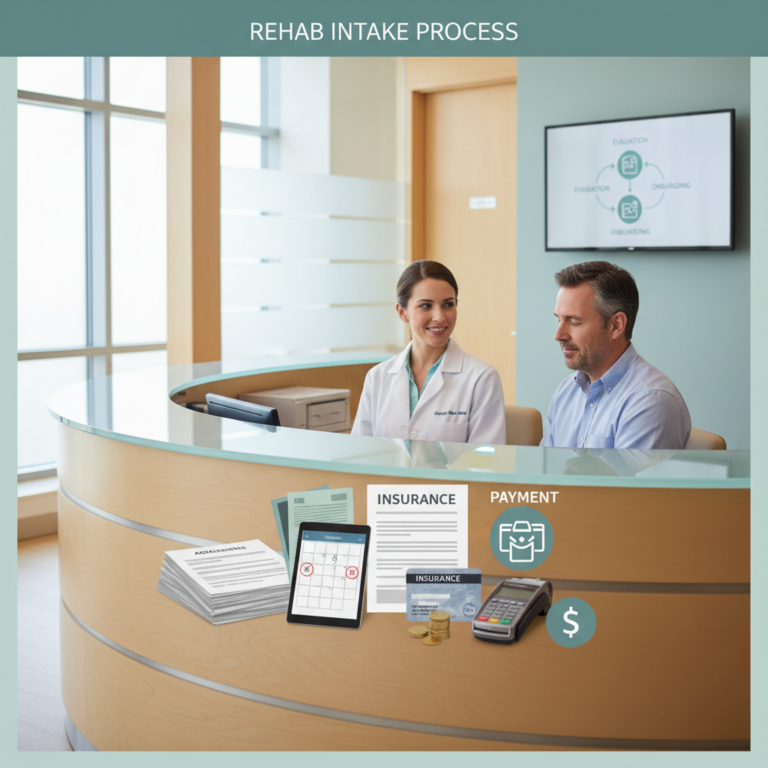
You can also review what intensive treatment involves at a high level by exploring resources like the rehab intake process so that the next steps feel more familiar.
Step 2: Research private rehab facility options
Once you have defined your needs, you can begin to narrow down private rehab facility choices. Private centers are not government funded, so they generally charge more than public programs but provide more customized treatment, shorter wait times, and a more credentialed experience [2].
As you research, pay attention to:
- Accreditation and licensing
- Clinical approach and use of evidence‑based therapies
- Staff qualifications and staff to client ratios
- Types of programs offered and typical length of stay
- Environment, amenities, and room options
Private facilities often have lower staff to patient ratios, one‑on‑one therapy, and a range of evidence‑based treatments such as cognitive behavioral therapy, motivational interviewing, and trauma‑informed care [3]. Some also integrate holistic options like yoga or art therapy to support whole‑person healing [2].
If you are unsure how to compare centers, you can look at broader guidance on admissions for rehab to help frame your questions.
Step 3: Confirm insurance accepted and coverage
For most people, the next step is to understand what your insurance will cover at a private rehab facility. Insurance can significantly reduce out‑of‑pocket costs, but each policy has its own rules.
Many health plans include coverage for different levels of addiction treatment, including private inpatient rehab, depending on the policy and facility [1]. Coverage can apply to:
- Medical detox
- Inpatient or residential treatment
- Partial hospitalization or intensive outpatient programs
- Outpatient therapy and aftercare
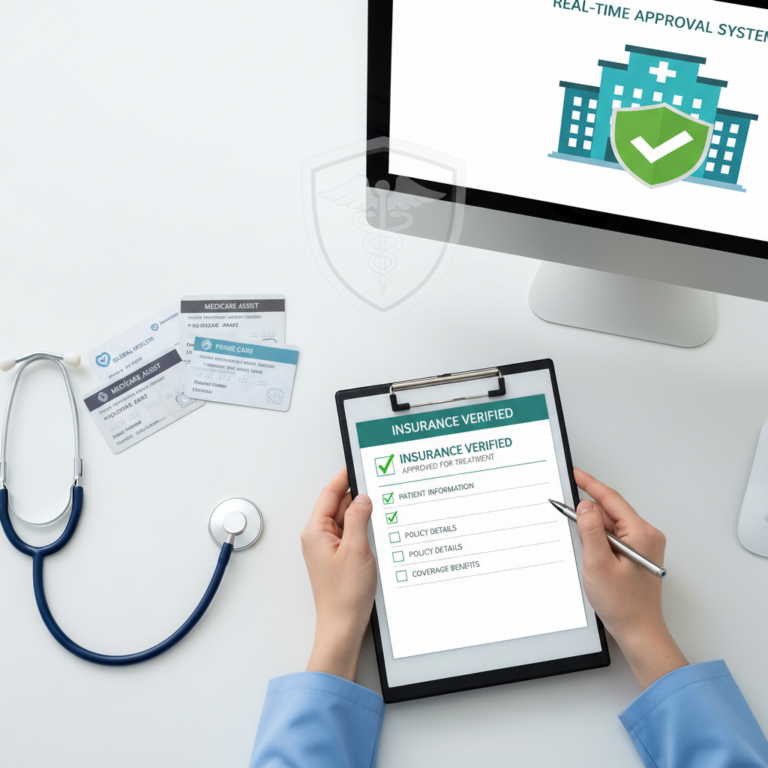
You can approach this in two ways. You can call your insurer directly and ask what is covered for substance use treatment, or you can use a facility’s own tools to verify insurance for treatment. Most private rehabs will do a confidential benefits check for you and provide a preliminary estimate of what your plan may pay.
It is also helpful to review general information about insurance coverage for treatment as you go. This context makes it easier to recognize what questions to ask about deductibles, copays, preauthorization, and network status.
Step 4: Get transparent rehab cost information
Private rehab facility pricing can vary widely, so cost transparency is essential. You should feel comfortable asking for a clear explanation of charges before you commit.
Research suggests that the average cost of drug rehabilitation across settings is about $13,475 per person [4]. However, this is a broad average. Private inpatient programs often cost more, especially if they offer private rooms, extensive amenities, or longer stays.
For example, many private inpatient drug rehab programs charge between $15,000 and $30,000 for a 30‑day stay, and luxury centers may be higher [3]. Costs depend on:
- Length of stay
- Medical services and detox needs
- Therapy intensity and specialty programs
- Room type, including private versus shared rooms
- Amenities such as fitness facilities, outdoor spaces, or wellness services
Private residential treatment is usually more expensive than outpatient care and can be more disruptive to daily life, but it often has higher success rates for people with more severe substance use concerns [5].
To understand your specific situation, admissions staff should be willing to walk you through:
- Estimated total program cost
- What your insurance may cover
- Expected out‑of‑pocket amounts
- Available discounts or financial support
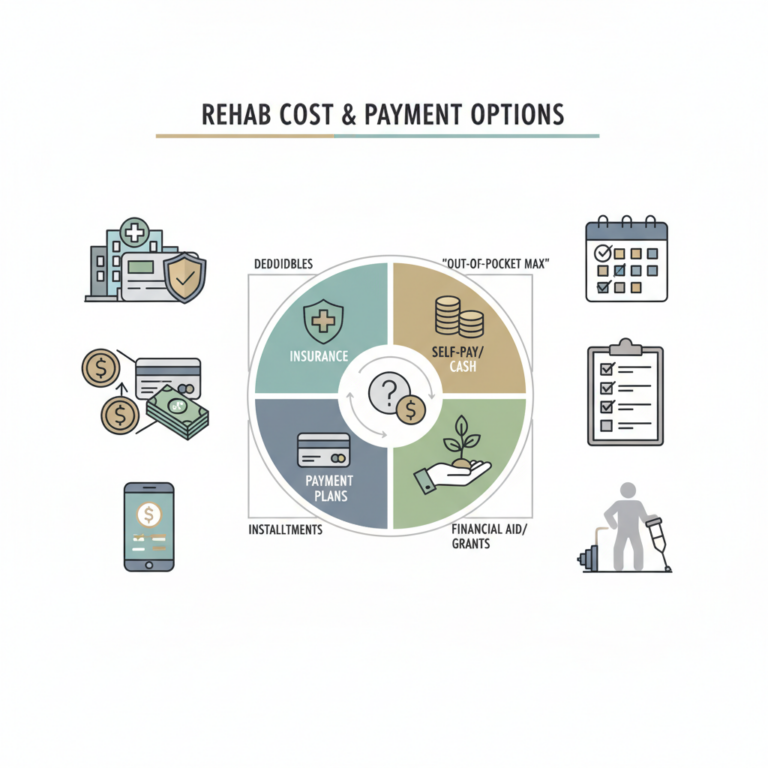
If you want to explore a broader overview, you can review rehab cost and payment options to see how different families handle the financial side of treatment.
Cost can feel overwhelming at first, but it is important to weigh it against the long‑term benefits of treatment, such as improved health, stability at work, and fewer medical or legal crises [1].
Step 5: Explore payment and financing options
Once you have an estimate of what treatment will cost after insurance, the next question is how to pay any remaining balance. Private facilities typically understand that treatment is a major investment and offer multiple pathways.
Common payment and financing approaches include:
- Using in‑network or out‑of‑network benefits through an insurance accepted rehab
- Setting up an interest‑free or low‑interest payment plan with the facility
- Medical loans or financing through third‑party partners
- Scholarships or limited financial assistance funds offered by some centers
- Personal savings or support from family members
Many private inpatient programs highlight that financing options are available to offset expenses, including private insurance, loans, scholarships, and payment plans [3]. Talking through these options early helps prevent money concerns from delaying care.
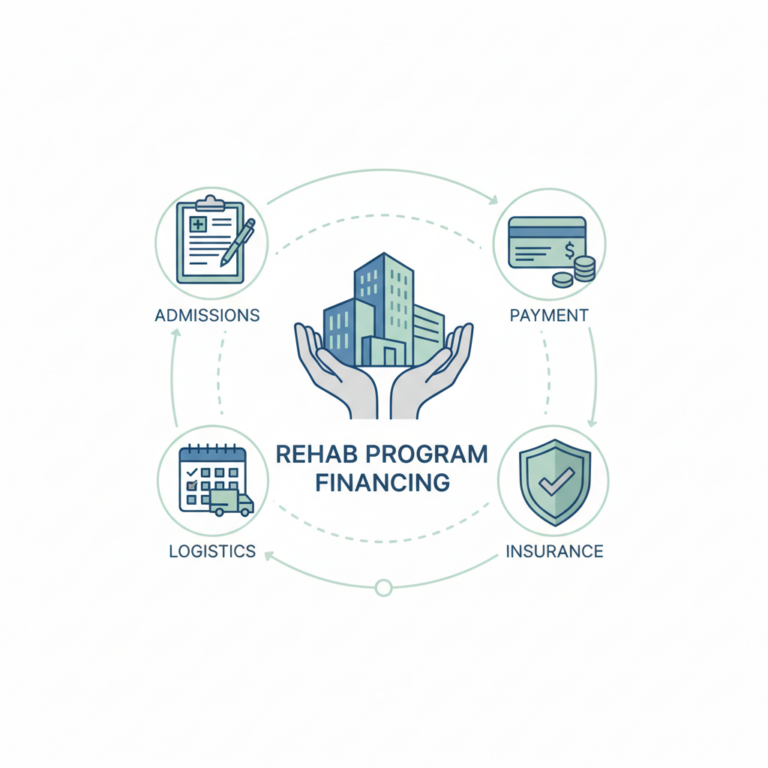
If you are comparing ways to manage costs, resources like financing rehab programs can help you evaluate what is realistic for your situation.
Step 6: Complete the pre‑admission assessment
Once you have decided that a particular private rehab facility may be a good fit, the admissions team will schedule a pre‑admission assessment. This step is usually done over the phone or via secure video and is designed to determine:
- Whether the facility can safely and effectively meet your needs
- What level of care is appropriate
- Whether you need medical detox before or as part of your stay
- Any medical or psychiatric conditions that must be addressed
Private rehab facilities often create individualized treatment plans that integrate pharmacotherapy, psychosocial interventions, behavioral therapies, and self‑help groups, with the goals of abstinence and relapse prevention [6]. A thorough assessment is necessary to build this plan.
During this process, you can also confirm:
- Tentative admission date
- Length of stay the team recommends
- Any items you should or should not bring
- How they handle communication with family and employers
If you would like a more detailed walkthrough of what to expect, you can revisit the rehab intake process to reduce uncertainty.
Step 7: Arrange logistics, travel, and time away
After your pre‑admission assessment, you can begin arranging the practical details that make admission possible. Residential treatment usually involves living at the facility for several weeks to a few months, and in some cases stays may extend to a year for more severe conditions [7].
Logistical steps often include:
- Planning travel to and from the facility
- Arranging coverage or leave from work or school
- Organizing childcare or pet care if needed
- Setting up bill payments or banking for your time away
- Clarifying how you will stay in touch with family during treatment
If you are able, visiting the facility before admission can be reassuring. Many centers welcome prospective clients and families to tour residential rehab so you can see the environment, meet staff, and view room options in person.
Step 8: Understand room types and privacy
For many people, one of the advantages of a private rehab facility is the environment itself. Private centers are often located in quieter, less crowded settings, with outdoor recreation spaces and dedicated areas for reflection. These features can feel very different from more basic, high‑demand public programs [2].
As you prepare for admission, ask specific questions about:
- Availability of private rooms versus shared rooms
- How room assignments are made
- Bathroom arrangements and personal space
- Quiet hours and privacy expectations
Private facilities usually aim for a more thoughtful guest experience, with a focus on personalized care and comfort. This often includes one‑on‑one counseling, access to a broader array of therapies, and in some cases, the option to choose private rooms if that is important to you [2].
Clarifying your preferences early helps the admissions team plan for your arrival and ensures the environment supports your recovery.
Step 9: Finalize paperwork and consent forms
Before you arrive, the private rehab facility will send you required admission documents. These often cover:
- Treatment consent and program rules
- Privacy and confidentiality policies
- Financial responsibility and payment agreements
- Insurance authorization forms
- Releases of information for family members or outside providers, if you choose
Take the time to read these carefully. If anything is unclear, you can reach out to the admissions or billing team and request an explanation. Private rehab centers generally prioritize clear communication around cost and expectations, since transparency supports trust and treatment engagement.
You may find it helpful to refer again to rehab cost and payment options as you review financial documents, so that you can compare what you see with general norms.
Step 10: Day‑of‑admission and initial orientation
On your admission day, you will typically:
- Check in with admissions staff and complete any remaining paperwork
- Meet with nursing or medical staff for a physical assessment and review of medications
- Meet with a clinician or counselor for an updated clinical assessment
- Receive an orientation to the facility, schedule, and rules
- Be shown to your room and given time to settle in
Inpatient rehabilitation services frequently include access to counseling, group therapy, detox services, and daily supervision during a typical 28 to 30 day stay, which is one reason they tend to cost more than outpatient programs [4]. Many private programs, however, offer stays that range from 30 to 60 days and sometimes longer, and clinicians may recommend up to 90 days for more complex substance use disorders [5].
Orientation is also your opportunity to ask any remaining questions about:
- Daily schedule and therapy structure
- Visiting policies and phone use
- How staff will support you through withdrawal and early sobriety
- How family will be included, if at all, in your care
Private facilities often refine and update their programs regularly, adding educational and therapeutic approaches that can raise the likelihood of long‑term sobriety [2]. Knowing what to expect in the first few days makes it easier to focus on the work of recovery rather than the logistics.
Step 11: Plan for aftercare from the start
A high quality private rehab facility will talk with you about aftercare early in your stay, not just at discharge. Long‑term recovery is a process that continues well beyond inpatient treatment.
Success rates in private drug rehab are influenced by several factors, including your own commitment, the quality of care, whether the center uses evidence‑based practices, and the strength of aftercare support. Relapse rates for substance use disorders are similar to those of other chronic conditions, around 40 to 60 percent, which highlights the importance of ongoing management [3].
Aftercare planning may include:
- Step‑down levels of care, such as intensive outpatient or outpatient counseling
- Sober living or transitional housing, when appropriate
- Ongoing therapy or support groups near home
- Relapse prevention planning and crisis strategies
Residential care in private facilities is often more successful than outpatient treatment alone for people with more severe challenges, but it works best when followed by consistent aftercare [5]. You can ask your treatment team to outline possible paths as part of your admission conversation, so you have a sense of the full journey ahead.
Putting it all together
Admitting to a private rehab facility is a major step, but it does not have to be confusing or rushed. When you break the process into clear stages, you can move forward with more confidence:
- Clarify your needs and goals
- Research qualified private facilities
- Confirm insurance acceptance and coverage
- Get transparent cost information
- Explore payment and financing options
- Complete a thorough pre‑admission assessment
- Arrange travel and time away
- Understand room types, with attention to privacy and private rooms
- Finalize paperwork and consent forms
- Arrive for admission and orientation
- Begin planning for aftercare early
If you are ready to take the next step, you can start by confirming that you are looking at an insurance accepted rehab and using tools to verify insurance for treatment. From there, admissions specialists can walk beside you through each stage so that cost, logistics, and insurance become manageable details rather than barriers to getting help.